How AI and Machine Learning Enhance Cloud Computing Efficiency
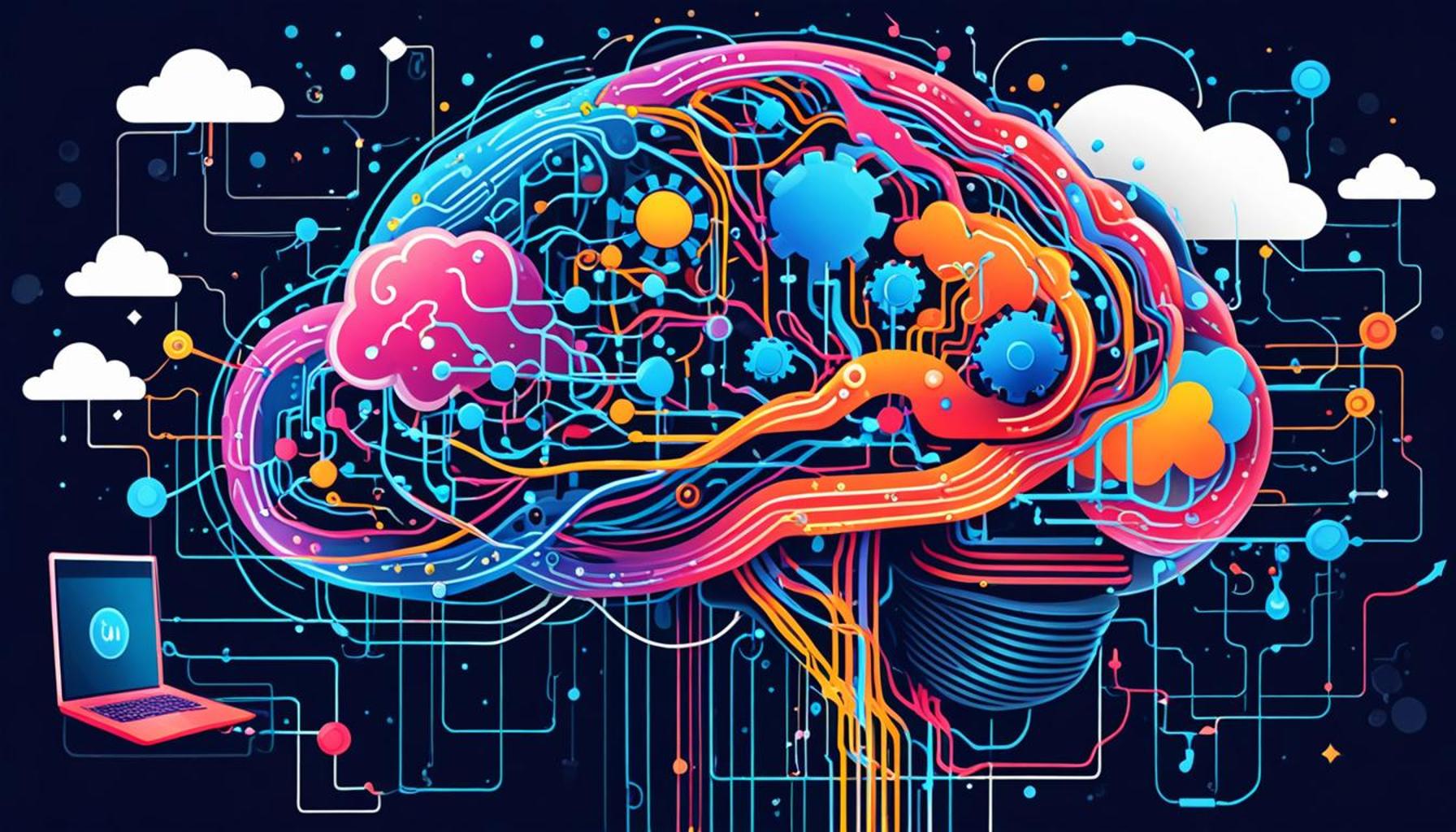
Understanding the Role of AI and Machine Learning in Cloud Computing
The interplay between Artificial Intelligence (AI) and Machine Learning (ML) within the realm of cloud computing is remaking the landscape of data management and operational efficiency for organizations. This potent duo not only streamlines processes but also equips businesses to harness data in transformative ways that were previously unimaginable. As companies navigate the complexities of data, embracing AI and ML becomes a vital step toward innovation and enhanced productivity.
Resource Management is one of the most significant areas where AI and ML shine. Intelligent algorithms are capable of analyzing usage patterns and predicting peak demands, allowing for optimized scheduling. For example, cloud platforms like Amazon Web Services and Microsoft Azure deploy AI algorithms that automatically adjust computing power based on real-time resource needs. This results in minimized costs, as businesses only pay for what they use, while maximizing overall performance during high-demand periods.
In terms of Data Analysis, the abilities of AI and ML to process large datasets at lightning speeds mean that organizations can derive real-time insights. Consider a retailer analyzing customer purchasing patterns using cloud-hosted machine learning models. By identifying trends quickly, they can adjust inventory levels, launch targeted marketing campaigns, and ultimately drive sales. This agility in decision-making exemplifies how businesses leverage AI and ML to remain competitive in a fast-paced market.
Another critical element worth highlighting is Predictive Maintenance. Traditional maintenance approaches often lead to unexpected downtime, resulting in lost revenue and productivity. By employing machine learning algorithms, companies can predict when equipment or systems are likely to fail. For instance, manufacturing firms utilizing cloud-based AI can monitor machinery performance in real time, allowing them to perform maintenance proactively rather than reactively—ensuring smoother operations and reducing downtime significantly.
As the threat landscape evolves, Security Enhancements powered by AI have become paramount. Cloud services today leverage advanced machine learning techniques to detect anomalies and potential cyber threats. For instance, a cloud service may deploy AI to analyze user behavior and pinpoint suspicious activity, such as unusual login locations or patterns inconsistent with normal user behavior. This proactive stance not only helps in safeguarding sensitive data but also alleviates the reputational risk associated with data breaches, which can have far-reaching consequences.
As businesses across various sectors in the United States continue their shift toward cloud infrastructures, the integration of AI and ML technologies is more than an operational asset—it’s a strategic imperative. Embracing these innovations not only aligns companies with industry standards but also positions them for future growth and resilience in a competitive landscape.
In the ensuing sections, we will explore each of these contributions in greater depth. We will uncover the myriad ways AI and ML are redefining cloud efficiencies while also paving the path for groundbreaking innovations in technology. The potential for development in this space is vast, and understanding these technologies will be key to thriving in the ever-evolving digital economy.
CHECK OUT: Click here to explore more
Maximizing Cloud Efficiency: The AI and ML Advantage
The integration of Artificial Intelligence (AI) and Machine Learning (ML) in cloud computing is not just about innovation; it is a fundamental shift in how businesses operate. The synergy between these technologies allows organizations to not only improve operational workflows but also to fine-tune their strategies based on real-time data analysis and predictions. As we delve deeper, several key areas emerge where AI and ML are reshaping the efficiency of cloud computing, making them indispensable tools for modern enterprises.
Optimized Resource Allocation
One of the foremost benefits derived from AI and ML in cloud computing is optimized resource allocation. Traditional cloud systems often allocate resources based on fixed schedules, which may not align with actual usage patterns. However, AI and ML can analyze historical data and current trends to dynamically allocate resources based on predicted demand. This capability not only enhances performance during peak hours but also significantly reduces costs. For example, cloud providers like Google Cloud and IBM Cloud leverage machine learning models that evaluate usage metrics and automatically scale resources up or down as necessary, ensuring optimal resource utilization.
Enhanced Customer Experiences
A cloud-enabled business that employs AI and ML can drastically improve customer experiences. By leveraging advanced analytics, organizations can differentiate their services and tailor offerings to meet the specific needs of their users. AI systems can process data related to customer interactions and preferences, enabling the creation of personalized experiences. For instance, streaming services like Netflix utilize machine learning algorithms to analyze viewing habits, allowing them to recommend content that resonates with individual users, thereby increasing engagement and satisfaction.
Scalability and Flexibility
Scalability is another compelling advantage of integrating AI and ML into cloud infrastructures. The capability to analyze data flows in real time allows businesses to scale their offerings efficiently. As organizations grow, their cloud requirements change, necessitating a flexible approach to resource management. AI-driven tools can automatically adjust cloud environments to meet evolving demands without the need for human intervention. This fluidity not only strengthens a company’s operational framework but also enables swift responses to market changes—vital in today’s fast-paced business environment.
Key Areas Impacted by AI and ML in Cloud Efficiency
- Cost Savings: By optimizing resources and predicting usage, companies can drastically cut unnecessary expenditures.
- Improved Decision-Making: AI enhances data analytics capabilities, allowing businesses to make informed decisions swiftly.
- Competitive Edge: The ability to respond quickly to market trends affords firms an advantage over competitors lacking these capabilities.
- Continuous Learning: ML algorithms can continually improve from incoming data, refining operations over time.
As organizations in the United States and beyond embrace the cloud, the strategic incorporation of AI and ML technologies emerges not just as a choice but as a necessity for staying relevant. Through further exploration, we will uncover how these technologies intertwine to create a new paradigm for efficiency and innovation in cloud computing.
How AI and Machine Learning Enhance Cloud Computing Efficiency
The integration of AI and Machine Learning (ML) into cloud computing frameworks offers transformative potential that propels operational effectiveness and innovation. One fundamental aspect of this synergy is the ability of AI algorithms to analyze vast datasets stored in the cloud, facilitating improved decision-making processes. This capability not only enhances data accessibility but also enables businesses to derive actionable insights in real time.
Another critical area where AI and ML excel is in predictive analytics. By leveraging historical data, these technologies can forecast future trends and behaviors, thus allowing organizations to adjust their strategies proactively. Such insights exemplify how analytics powered by AI can lead to timely interventions, enhanced customer experiences, and ultimately, higher retention rates. Beyond predictive analytics, AI-driven automation within cloud environments streamlines routine tasks, freeing up resources for more strategic initiatives.
Furthermore, the use of AI in resource management leads to a more efficient allocation of computing power, reducing waste and optimizing costs. Cloud service providers can employ machine learning algorithms to dynamically scale resources based on demand, ensuring that clients only pay for what they use. This responsiveness not only conserves resources but also aligns technology expenditure with business objectives.
| Advantages | Key Features |
|---|---|
| Enhanced Decision-Making | AI facilitates the analysis of vast datasets, providing real-time insights. |
| Predictive Analytics | Machine learning forecasts trends to guide proactive strategies. |
| Resource Optimization | Dynamic scaling of resources based on demand reduces costs. |
As businesses embrace this technology-driven evolution, the benefits of AI and ML in cloud computing will only continue to expand. Organizations are now equipped to harness unparalleled efficiency gains, paving the way for innovation while enhancing operational performance in an increasingly competitive landscape.
SEE ALSO: Click here to read another article
Revolutionizing Security and Compliance with AI and ML
As cloud adoption accelerates across various industries, concerns regarding security and compliance have become paramount. AI and ML technologies are stepping in to enhance security measures within cloud environments, providing organizations with an urgent line of defense against sophisticated cyber threats. Traditional security protocols often struggle to keep pace with evolving tactics employed by cybercriminals. However, AI-driven security solutions can analyze vast amounts of data quickly and accurately, identifying anomalous patterns that could signal a potential breach. For instance, companies like AWS and Microsoft Azure are incorporating machine learning algorithms in their security toolkits, which learn from historical attack data to predict and neutralize threats before they manifest.
Moreover, the landscape of regulatory compliance is becoming increasingly complex, especially with the advent of regulations such as GDPR and HIPAA. AI and ML can automate vulnerability assessments and compliance audits, ensuring that organizations consistently meet compliance requirements. By analyzing data against regulatory benchmarks, these technologies enable companies to mitigate risks associated with violations—ultimately saving them from hefty fines and reputational damage.
Data Management and Insight Generation
The power of AI and ML in data management extends beyond simple storage solutions to transforming raw data into actionable insights. Businesses today generate an immense volume of data, and sifting through this information to extract meaningful insights can be overwhelming. AI algorithms can automate the data cleansing and preprocessing steps, allowing organizations to manage their data pipelines more effectively. For example, data analytics platforms like Tableau and Power BI are enhanced by machine learning capabilities that assist users in predicting future trends and patterns from historical data, theorizing potential outcomes that would be too intricate for human analysis alone.
Streamlined DevOps Processes
Integrating AI and ML into cloud computing also fundamentally alters the dynamics of DevOps processes. By automating workflows, testing, and deployment, organizations can accelerate application releases while ensuring higher quality and performance. AI algorithms can identify bottlenecks or inefficiencies within the development cycle, providing insights that help teams optimize their processes. Moreover, predictive analytics can foresee required changes in application performance, facilitating preemptive updates before users experience any disruption. This proactive approach saves time and resources while enhancing overall operational capabilities.
Cost Optimization through Predictive Analytics
In terms of cost optimization, AI and ML contribute by providing predictive analytics capabilities that enable organizations to forecast their cloud usage costs better. By analyzing historical spending and usage patterns, machine learning models can project future expenses with astonishing accuracy. This allows businesses to set budgets effectively and plan for resource allocation without the fear of unexpected spikes in expenses. Several cloud service providers now offer integrated analytics solutions that utilize these technologies to ensure that clients maximize their return on investment in cloud resources.
The adoption of AI and ML is proving to be infinitely more than a trend; it represents a transformative wave in the cloud computing sphere. From enhancing security to improving data management and streamlining operational processes, the benefits are substantial and far-reaching. Understanding and implementing these technologies will be crucial for organizations seeking to thrive in an ever-evolving technological landscape.
SEE ALSO: Click here to read another article
Conclusion: The Future of Cloud Computing Enhanced by AI and ML
In summary, the integration of AI and machine learning within cloud computing is not merely an enhancement—it’s a transformational force reshaping the way organizations operate. By bolstering security and compliance frameworks, organizations can stay ahead of ever-evolving cyber threats while streamlining compliance with complex regulations. Moreover, with advanced data management capabilities, businesses can turn vast streams of data into actionable insights, maximizing their decision-making effectiveness.
Furthermore, the automation of DevOps processes and the implementation of predictive analytics significantly cut down on development time and operational costs. Companies can release applications faster, optimize resources effectively, and avoid unexpected expenditure spikes. As the digital landscape continues to expand, remaining competitive will necessitate an understanding of how these technologies can drive efficiency and innovation.
Looking ahead, organizations should not only adopt AI and machine learning technologies but also invest in continuous learning and adaptation within these domains. As new use cases emerge and existing technologies evolve, the ability to leverage AI and ML will define the success of cloud computing strategies. Embracing this change is not just advisable; it is essential for staying at the forefront in today’s rapidly evolving technological realm.
Ultimately, the journey of adopting AI and ML in cloud computing opens up new avenues for exploration, compelling businesses to stay informed about the latest developments and trends. Engaging with these advancements will empower organizations to optimize their cloud operations, achieving unprecedented levels of efficiency and performance.
Related posts:
Sustainability in Fast Fashion: How Shein is Leveraging Digital Innovation
Emerging Automation Trends in Corporate Environments for 2024
Wrong Item from Shein Your Step-by-Step Guide to Fix It Quickly
The Future of Virtual Fashion Shows: Shein's Experimentation with Digital Runways
Growth of Augmented and Virtual Reality in the Digital Market
Blockchain Technology in Shein's Supply Chain: Enhancing Transparency and Trust