Master How to Create a Digital Marketplace from Scratch Step-by-Step Guide
Understanding the Digital Marketplace Landscape
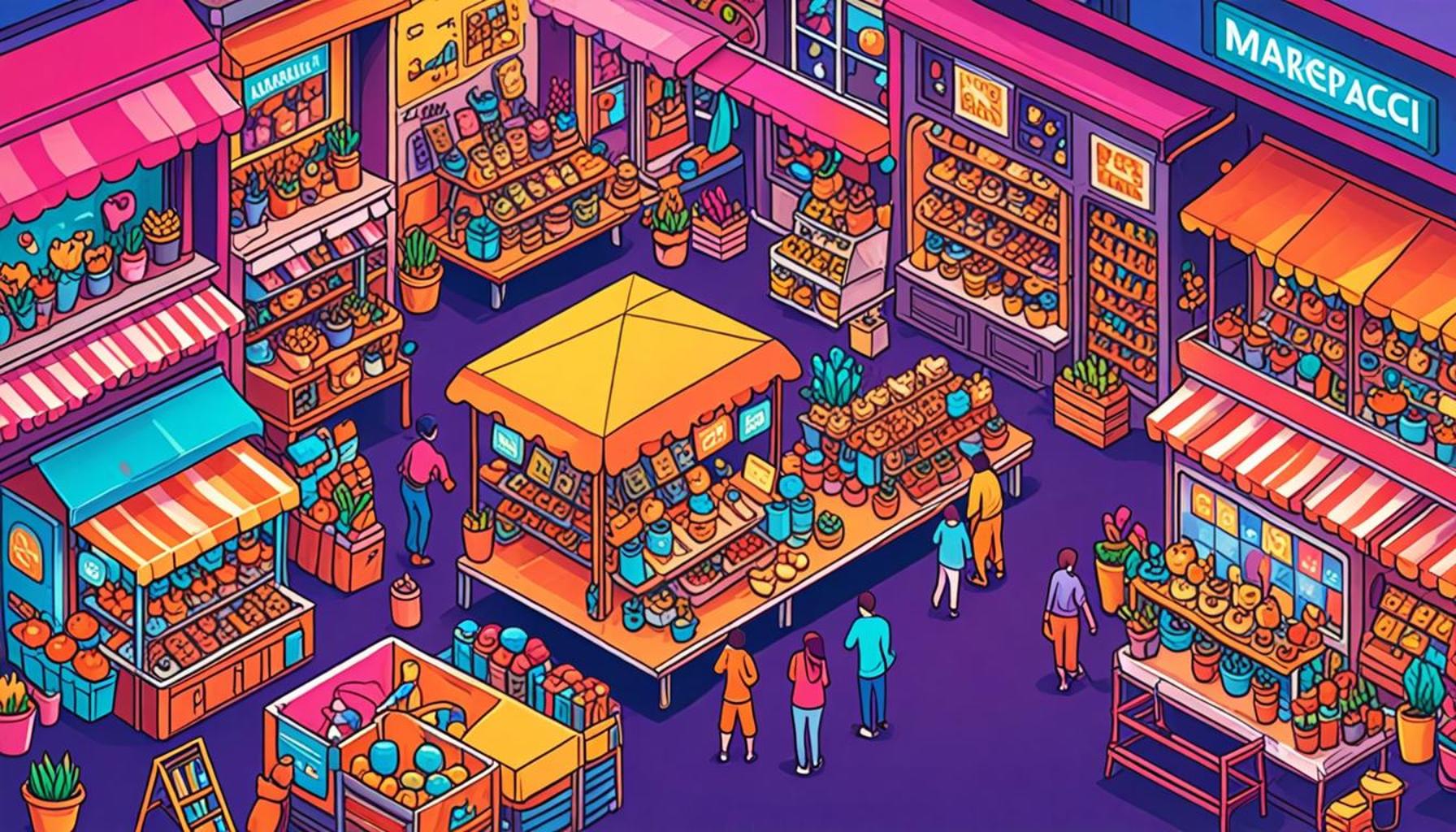
Creating a digital marketplace involves more than just establishing a website; it requires a strategic approach to harness the power of the ever-growing e-commerce sector. Today, online platforms such as Amazon, Etsy, and eBay serve as prime examples of how digital marketplaces can thrive. These platforms connect millions of buyers and sellers, facilitating transactions with ease, trust, and efficiency.
To successfully enter this competitive arena, you need to lay a solid foundation through thorough planning and execution. At the core of your strategy should be a clear understanding of your target audience. Conducting market research is vital. This entails analyzing current market trends, identifying gaps, and understanding the needs and preferences of potential users. Who are they? What problems are they facing that your marketplace can resolve? Exploring tools like surveys, focus groups, and competitive analysis can provide the insights needed to refine your concept.
Choosing the Right Platform
Once you’ve identified your niche, platform selection becomes the next critical step. Do you want to build your site from the ground up, or utilize existing e-commerce solutions like Shopify or WooCommerce? These platforms offer customizable features and scalability, catering to different business models. For instance, platforms built on open-source software can provide the flexibility needed to innovate, while SaaS solutions might offer quicker launches with less technical overhead.
Navigating Legal Challenges
In the United States, launching a digital marketplace comes with its own set of legal considerations. Understanding the legal landscape is crucial to avoid potential pitfalls. Registering your business, protecting intellectual property, and adhering to e-commerce regulations are just the beginning. Moreover, you’ll want to familiarize yourself with consumer protection laws, privacy regulations, and payment processing guidelines to ensure compliance and build trust with users.
Crafting an Engaging User Experience
Beyond the technical infrastructure, the user experience is what will ultimately determine the success of your marketplace. An intuitive interface, fast loading times, and easy navigation are paramount. Utilizing principles of design thinking can help create a user-centric approach where feedback loops are implemented to continuously improve the platform. Consider the importance of mobile optimization, as a significant portion of e-commerce transactions today occurs on mobile devices. Furthermore, integrating features such as product reviews, ratings, and easy communication tools can enhance customer satisfaction and retention.
Ultimately, thriving in the digital marketplace space involves creating a community rooted in trust, variety, and a shared space for buyers and sellers. As this guide unfolds, we will delve deeper into each of these aspects, equipping you with knowledge and strategies tailored to elevate your marketplace from concept to reality. Are you set to explore the intricacies of this dynamic industry? Let’s embark on this transformative journey together!
Defining Your Marketplace Strategy
Before diving into the technical aspects of building your digital marketplace, it is essential to establish a solid marketplace strategy. The foundation of your success lies in a clearly defined business model that outlines how your platform will operate and generate revenue. There are several models to consider:
- Commission-based model: This commonly used approach involves charging vendors a percentage of each sale made through your marketplace. This model aligns your success with that of your sellers, promoting a mutually beneficial relationship.
- Subscription model: In this model, vendors pay a regular fee to list their products or services. This provides consistent revenue and ensures that only committed sellers populate your marketplace.
- Freemium model: Offering basic services for free while charging for premium features can attract a larger user base and encourage conversions to paid plans.
Choosing the right model is critical, as it will based largely on the values you want to impart and the behaviors you intend to encourage among users. Consider your target users’ behaviors and industry trends while determining the best strategy.
Identifying Your Unique Selling Proposition (USP)
Next, it’s crucial to differentiate your marketplace from existing competitors. Your unique selling proposition (USP) serves as a competitive edge, setting you apart in a crowded space. Ask yourself what unique value your marketplace provides that others do not. Do you offer niche products, exceptional customer services, or an innovative feature that enhances user experience?
To refine your USP, you can analyze successful marketplaces, note what appeals to their users, and think about what you can do better. This could range from sourcing unique artisans for handmade goods to developing an advanced algorithm for personalized recommendations. The clearer your USP, the more effective your marketing efforts will be.
Building a Strong Brand Identity
Your marketplace’s brand identity will not only affect customer perception but also enhance overall engagement. Begin by creating a recognizable name, logo, and design that resonates with your target audience. Consistency is key; use the same color palette, typography, and messaging across all platforms, ensuring that your marketplace looks professional and trustworthy.
Furthermore, consider developing a brand voice that reflects your marketplace’s values. Are you friendly and approachable, or are you authoritative and knowledgeable? Establishing a clear voice will help you connect with customers and convey credibility, ultimately influencing their purchasing decisions.
Developing a Marketing Strategy
Once your identity and proposition are defined, the next step is crafting a robust marketing strategy to attract both sellers and buyers. Focus on two primary aspects: digital marketing channels and content creation.
- Social Media Marketing: Utilize platforms such as Facebook, Instagram, and Pinterest to engage potential users. Sharing visually appealing content and user-generated posts can create buzz around your marketplace.
- Search Engine Optimization (SEO): Optimize your website’s content to rank higher in search engines. Use relevant keywords and phrases throughout your site to increase visibility.
- Email Marketing: Build an email list of interested users and send newsletters highlighting new products, discounts, and marketplace news.
A well-crafted marketing strategy will be instrumental in generating traffic and, ultimately, conversions for your digital marketplace. Continuously monitor performance analytics to refine your approach over time, ensuring that you adapt to shifting trends and user preferences.
With a clear strategy in place, identifying your unique value, establishing an engaging brand, and developing a comprehensive marketing plan, you are on an exciting path to creating a competitive digital marketplace. Each of these elements contributes crucially to your overall success in the digital marketplace landscape.
| Advantage | Description |
|---|---|
| Increased Revenue Streams | Building a digital marketplace allows you to tap into multiple sources of income through transaction fees, subscription models, and advertising. |
| Scalability Options | As your digital marketplace grows, you can easily expand your offerings or integrate new services, adjusting to market demands quickly. |
In today’s competitive landscape, understanding how to create a digital marketplace from scratch is not just about building a website; it involves strategic planning and execution. Each advantage mentioned here highlights pivotal aspects that make digital marketplaces an integral part of modern commerce. For instance, the ability to generate multiple revenue streams ensures that your marketplace isn’t reliant on a single source of income, enhancing financial stability. This creates a robust business model that is well-suited for long-term growth.Furthermore, the scalability features inherent in a digital marketplace can unlock new potentials, enabling entrepreneurs to efficiently manage growth through various strategies. With the rapid evolution of technology, businesses focused on adapting will thrive, reinforcing the importance of mastering these techniques. Overall, the digital marketplace landscape is burgeoning with possibilities, and understanding the detailed process is essential for any forward-thinking entrepreneur. Those who invest the time and effort to learn “Master How to Create a Digital Marketplace from Scratch Step-by-Step Guide” will find themselves well-equipped to navigate this exciting frontier.
Designing Your Marketplace User Experience
As you continue the journey of building your digital marketplace, paying attention to user experience (UX) is vital. A seamless and intuitive UX will not only encourage visitors to return but will also increase conversion rates. Begin by sketching the ideal customer journey—from landing on your site to completing a purchase.
To achieve this, consider the following components:
- Navigation: Ensure that your website is easy to navigate, with a clear menu structure that allows users to find products or services effortlessly. A user-friendly interface promotes an enjoyable shopping experience.
- Search Functionality: Implement a powerful search bar that allows users to filter their queries by various parameters such as category, price range, or vendor. Advanced search options can significantly enhance user satisfaction.
- Mobile Responsiveness: Keep in mind that many users shop via mobile devices. Your marketplace should be optimized for mobile to ensure that users can browse and purchase items without issues.
Testing your design with real users through methods such as A/B testing can provide valuable insights into their preferences, allowing you to make informed improvements. A well-designed platform not only enhances user satisfaction but also fosters trust, pivotal when dealing with financial transactions online.
Choosing the Right Technology Stack
Your choice of a technology stack is another critical aspect in the development of your digital marketplace. The technology stack refers to the combination of programming languages, frameworks, and tools you will use to build, host, and maintain your platform. Consider the following popular options:
- Open-source eCommerce platforms: Platforms like Magento, WooCommerce, and OpenCart provide flexible solutions for building a digital marketplace. These platforms come with a variety of plugins for shipping, payment gateways, and analytics, helping you to establish a fully functional marketplace.
- Custom development: If you have specific requirements not met by existing solutions, consider hiring developers to create a custom marketplace using programming languages like Python, Ruby, or JavaScript. While this option can be more costly, it allows for greater control and personalization.
- Cloud-based solutions: Services like Shopify, BigCommerce, or SquareSpace offer cloud-based infrastructure that manages hosting, security, and scalability while allowing you to concentrate on running your business.
Selecting the right technology stack should align with your long-term vision, budget, and technical expertise available within your team. Scalability and security are also paramount; as your marketplace grows, the platform should handle increased traffic and transactions without compromising performance.
Implementing Payment Solutions
A secure payment gateway is a must-have feature for your digital marketplace. Choosing the right payment solutions not only helps facilitate transactions but also builds trust with both sellers and buyers. Common options include:
- PayPal: Widely recognized and trusted, PayPal provides buyers and sellers peace of mind when making transactions.
- Stripe: Known for its developer-friendly APIs, Stripe allows you to easily integrate payment solutions and offers customization options suitable for marketplace operations.
- Square: Ideal for small to medium-sized businesses, Square offers a comprehensive suite of payment tools, including point-of-sale options for physical transactions.
When selecting a payment gateway, consider transaction fees, ease of use, and customer service. A diverse range of payment options can cater to different users’ preferences, further enhancing their shopping experience and increasing your marketplace’s success rate.
By focusing on user experience, choosing the correct technology stack, and implementing secure payment solutions, you are laying the groundwork for a successful digital marketplace. Each step you take in this process is key to creating an engaging and profitable online environment for both vendors and customers alike.
Conclusion
In conclusion, mastering the creation of a digital marketplace from scratch involves meticulously navigating through several crucial steps. From understanding your target audience and market dynamics to employing the right technology stack and payment solutions, each component plays an integral role in the overall success of your platform. By prioritizing user experience through intuitive design and flawless navigation, you invite users to engage and return, turning casual visitors into loyal customers.
Moreover, your knowledge of various technology stacks enables you to build a scalable and robust marketplace that can adapt to evolving market demands. Whether you’re leveraging open-source platforms or custom development solutions, ensuring that your choice aligns with your long-term vision is paramount. Implementing secure and versatile payment options fosters trust and encourages transactions, vital for sustaining marketplace growth.
As you embark on or continue this journey, remember that ongoing maintenance, improvement, and customer feedback are essential elements that will allow your digital marketplace to not only thrive but also evolve. Engage in continuous learning to stay updated with market trends and technological advancements, ensuring you remain competitive in an ever-changing environment.
In a world increasingly leaning towards digital commerce, your ability to create a successful marketplace can provide immense value to buyers and sellers alike. So, take the plunge, embrace the challenges, and carve out your niche in the digital landscape with confidence.
Related posts:
Competition Analysis: How Shein Stands Out in a Saturated Online Retail Market
Crafting Effective Marketing Strategies for Online Marketplaces A Guide
AIs Transformative Impact on Online Marketplaces What to Expect
Ensuring Compliance in Cloud Computing A Comprehensive Guide
Marketplace Platforms How to Choose the Best for Your Business
Master Reading Shein Product Descriptions Reviews for Smart Shopping