Service Marketplaces The Digital Economys Future Trend
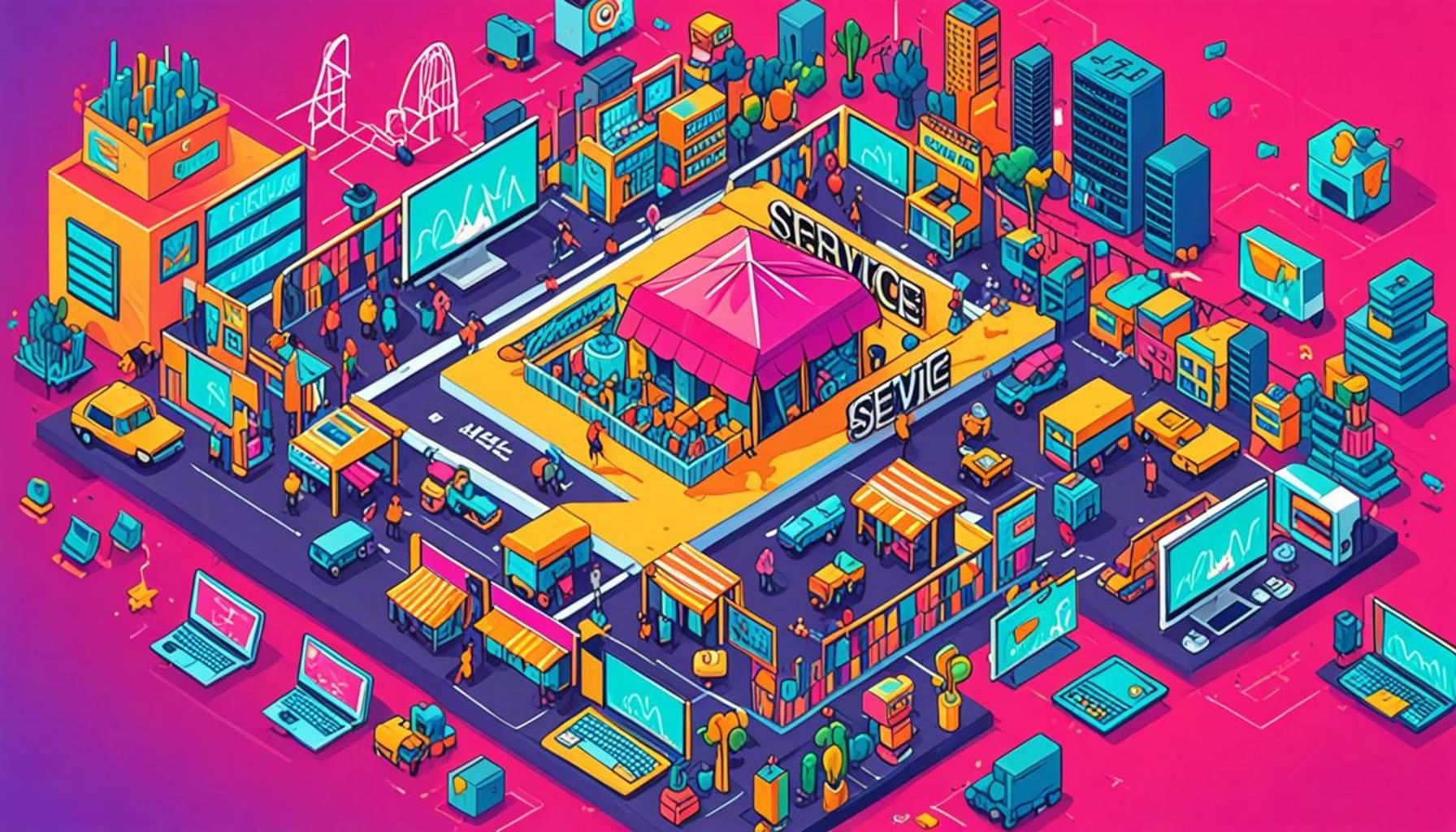
Transformative Impact of Service Marketplaces
The surge in service marketplaces represents a significant shift within the digital economy, where traditional business norms are increasingly challenged by innovative platforms that enhance convenience and redefine consumer-service provider interactions. As technology continues to evolve, these online platforms not only change how services are offered but also create new economic dynamics that both consumers and service providers must navigate.
Flexibility and Variety
One of the most compelling advantages of service marketplaces is the flexibility and variety they offer. Consumers can explore a wide array of services, whether it’s hiring a freelance graphic designer on Fiverr, booking a last-minute ride with Uber, or engaging a handyman through TaskRabbit. This multitude of options empowers users to select services that best meet their needs, fostering an era where personalized service is the norm rather than the exception. For example, a busy working mother might use a cleaning service through a marketplace to maintain her home, something that was less accessible in the past.
Cost-Effectiveness
Cost-effectiveness is another significant draw of these platforms. Due to the competitive nature of service marketplaces, prices are often lower than traditional providers. This allows consumers to find services that fit their budget without compromising on quality. Users can compare rates, read reviews, and even negotiate prices, optimizing their expenditures. For instance, a student seeking tutoring can compare several options and choose the best fit, saving time and money in the process.
Speed and Accessibility
The immediacy of service availability is a defining characteristic of modern marketplaces. Users can access services at a moment’s notice, leading to increased efficiency for both consumers and providers. Whether it’s hailing a ride, securing a last-minute plumber, or finding a graphic designer, the speed at which these transactions can occur accelerates the dynamics of the service industry. With just a few clicks, users can have qualified professionals at their doorsteps or their projects underway, transforming the way we approach service needs.
Evolving Workforce Dynamics
The rise of the gig economy has prompted a cultural shift in how individuals perceive work. Many are gravitating towards gig work as a viable primary income source, embracing the freedom and flexibility that comes with it. This evolution not only impacts individual livelihoods but also influences broader trends in employment. The ability to manage various gigs from one platform provides aspiring entrepreneurs with unprecedented opportunities to explore their skills and talents in a competitive marketplace.
Global Reach and Consumer Empowerment
Moreover, service marketplaces facilitate a global reach for providers. A graphic designer in California can easily connect with a client in New York or even have opportunities to work with businesses overseas. This international connectivity opens up avenues for creators and service providers that were previously inaccessible. Consumer empowerment rises from this accessibility, allowing users to tailor their experiences and exert more control over their choices in services and effecting their satisfaction levels.
As we delve deeper into these trends, it becomes crucial to understand their implications for businesses and consumers alike. The evolution of service marketplaces heralds exciting possibilities, paving the way for new economic models and opportunities in the fast-changing digital landscape. The challenges and benefits they present will undoubtedly shape consumer behaviors and business strategies in the coming years.
CHECK OUT: Click here to explore more
Redefining Consumer Experience
In an era where user experience is paramount, service marketplaces have emerged as pivotal players in transforming how consumers engage with various services. These platforms not only facilitate transactions but also enhance the overall consumer journey by prioritizing transparency, convenience, and trust. For instance, when a consumer books a service through a marketplace, the platform typically provides detailed profiles of service providers, complete with ratings and reviews. This level of transparency not only helps users make informed decisions but also encourages service providers to uphold high standards, knowing that their reputation is at stake.
The Role of Technology
At the core of this transformation is the advancement in technology that services marketplaces leverage. Machine learning algorithms and big data analytics play crucial roles in optimizing the consumer experience. For example, platforms like Airbnb use sophisticated algorithms to recommend listings based on user preferences, increasing the likelihood of a match that satisfies the consumer’s needs. Similarly, Uber employs real-time data to adjust pricing and improve wait times, ensuring that consumers receive swift service without sacrificing quality. As these technologies continue to advance, we can expect an even more tailored consumer experience.
Empowerment through Feedback
Another essential element contributing to the rise of service marketplaces is the emphasis on feedback systems. Consumers are no longer passive recipients of services; they actively participate in shaping the quality of service offered. This dual-response feedback loop allows users to share their experiences, which not only informs other consumers but also provides service providers with insights necessary for improvement. The ability to rate and review services not only enhances consumer trust but creates a sense of accountability within the marketplace. In fact, studies suggest that over 90% of consumers read online reviews before making a purchasing decision, showcasing the value of feedback in influencing market dynamics.
Creation of Niche Markets
Service marketplaces also give rise to new opportunities for niche markets. The digital economy thrives on specialization, allowing businesses to cater to specific consumer needs that were previously overlooked. This trend boosts entrepreneurship by enabling individuals to offer unique services tailored to targeted audiences. For instance, platforms like TaskRabbit allow people to provide highly specialized skills, such as tutoring in rare languages or offering unique culinary services for specific dietary needs. Consequently, both consumers and service providers benefit from tailored offerings that align more closely with their desires.
Challenges and Considerations
While the advantages of service marketplaces are substantial, it is crucial to recognize the potential challenges that accompany this surge. Issues surrounding regulation, service quality, and market saturation pose significant concerns for both consumers and providers. As competition intensifies, maintaining service quality without falling into the trap of delivering low-cost options becomes a balancing act for many providers. Additionally, navigating the evolving landscape of regulations surrounding gig work remains a pivotal challenge. Addressing these challenges will ultimately determine the sustainability and evolution of service marketplaces.
The interplay of technology, consumer feedback, and specialization within service marketplaces is creating a vibrant ecosystem primed for growth and innovation. As we explore these dynamics further, it’s essential to remain aware of the balance between opportunity and challenge in this rapidly evolving digital landscape.
| Category | Advantages |
|---|---|
| Access to Diverse Services | Service marketplaces offer users a wide selection of services, catering to various needs from graphic design to home cleaning. |
| Cost Efficiency | By comparing different service providers, consumers can find affordable options, leading to substantial savings. |
| User-Friendly Platforms | Many service marketplaces prioritize user experience, incorporating easy navigation and intuitive interfaces to enhance customer satisfaction. |
| Real-Time Reviews and Ratings | Potential users can make informed decisions based on genuine feedback from previous customers. |
The digital economy is rapidly evolving, with service marketplaces emerging as a powerful component of this transformation. They enable consumers to experience services in innovative ways, harnessing technology to streamline transactions and foster connections between providers and users. By prioritizing convenience and transparency, these platforms reflect the needs of modern consumers who seek efficiency and value. Moreover, as competition among service providers intensifies, we can expect continuous improvement in service quality, making service marketplaces not only a trend but a cornerstone of the digital economy’s future.
CHECK OUT: Click here to explore more
The Economic Impact of Service Marketplaces
As service marketplaces continue to grow, their influence on local and national economies cannot be ignored. These platforms have fostered an environment that not only promotes entrepreneurship but also significantly contributes to job creation. With millions of Americans engaging in gig work, platforms such as Upwork and Fiverr are reshaping the workforce landscape. The gig economy, valued at over $1 trillion in the United States, showcases a shift where flexibility, autonomy, and income diversification have become hallmarks of modern work life.
Democratizing Access to Services
Service marketplaces are democratizing access to essential services by breaking down traditional barriers that once limited availability. Freelancers and service providers can now reach a global audience, offering everything from graphic design to home repairs. This democratization also enables consumers to access a wider array of services that suit their specific needs, enabling them to select based on factors such as skillset, pricing, and convenience. For example, platforms like Thumbtack empower consumers to find local professionals for various home projects, enhancing the quality of life while stimulating local economies.
Driving Innovation in Service Delivery
Moreover, service marketplaces are not just affecting where services are rendered but are also transforming how they are delivered. By leveraging technology, many platforms are experimenting with innovative service delivery models. For instance, companies like DoorDash and Postmates have revolutionized food delivery by employing gig workers who can rapidly respond to consumer demands, leading to faster service times and unlimited choices for consumers. This innovation goes beyond food; it can be seen in the rise of telehealth services driven by platforms such as MDLive, which allow patients to consult with healthcare professionals from the comfort of their homes.
Network Effects and Scale
Another vital factor in the resurgence of service marketplaces is the concept of network effects. As the number of users—both service providers and consumers—increases on these platforms, so does the overall value of the service offered. More users lead to a broader selection of services for consumers, while also attracting more providers to the marketplace. Companies like Airbnb and Uber exemplify this phenomenon; they continually grow their user base thanks to existing users promoting positive experiences and encouraging participation among friends and family. This cycle of growth contributes to a self-reinforcing ecosystem that drives further innovation and competitiveness.
Data-Driven Insights and Personalization
Additionally, data analytics play a key role in enhancing the efficiency of service marketplaces. By analyzing consumer preferences and behaviors, organizations can continuously refine their offerings to better meet customer desires. For example, companies such as HomeAdvisor utilize data to match homeowners with contractors who have proven records of success, providing tailored recommendations based on previous regional interactions. This meticulous approach to service delivery not only improves the consumer experience but strengthens the overall perception of reliability and quality associated with service marketplaces.
With innovations paving the way for a more connected and efficient economy, the potential of service marketplaces is only beginning to be explored. Amidst the undeniable benefits, continuous observation and adaptation to emerging trends, consumer demands, and regulatory frameworks will be necessary for sustainable growth in this evolving landscape.
CHECK OUT: Click here to explore more
Unlocking the Potential of Service Marketplaces
In conclusion, service marketplaces are poised to be a pivotal force in shaping the future of the digital economy. As they continue to flourish, these platforms not only redefine the way consumers access services but also create an unprecedented level of employment flexibility for countless individuals. The rise of gig work, now a key component of our economic landscape, has been significantly bolstered by platforms that enable connections between service providers and consumers, thereby fostering entrepreneurial innovation.
Moreover, the critical role of network effects illustrates how service marketplaces can build on their success. As user bases expand, so too does the multiplicity of options available, enhancing the service experience for everyone involved. The ongoing advances in technology and data analytics empower these platforms to personalize offerings, meeting customer demands with precision and efficiency.
As we look forward, it becomes essential for stakeholders to remain vigilant and proactive about the evolving trends and regulatory considerations surrounding this marketplace model. Engaging with emerging technologies, understanding consumer preferences, and adapting to the shifting economic landscape will be vital for sustainable growth.
Ultimately, as we embrace this new paradigm of work and service delivery, service marketplaces are more than just a trend; they represent a transformative ecosystem that holds the potential to revolutionize industries, enhance productivity, and create broad opportunities for engagement across all demographics. The digital economy’s future is bright, and service marketplaces are at the forefront of this evolution.
Related posts:
Ensuring Compliance in Cloud Computing A Comprehensive Guide
The Rise of Online Marketplaces: Shein's Role in the Digital Retail Revolution
How Digital Marketplaces Are Redefining Retail Today
How to Leverage Marketplaces for Rapid Sales Growth
Digital Marketing Strategies: How Shein Captures Consumers in Online Marketplaces
Master Shein Size Charts Choose the Perfect Fit for Your Body