The Future of Work AI and Cloud Automation Revolution
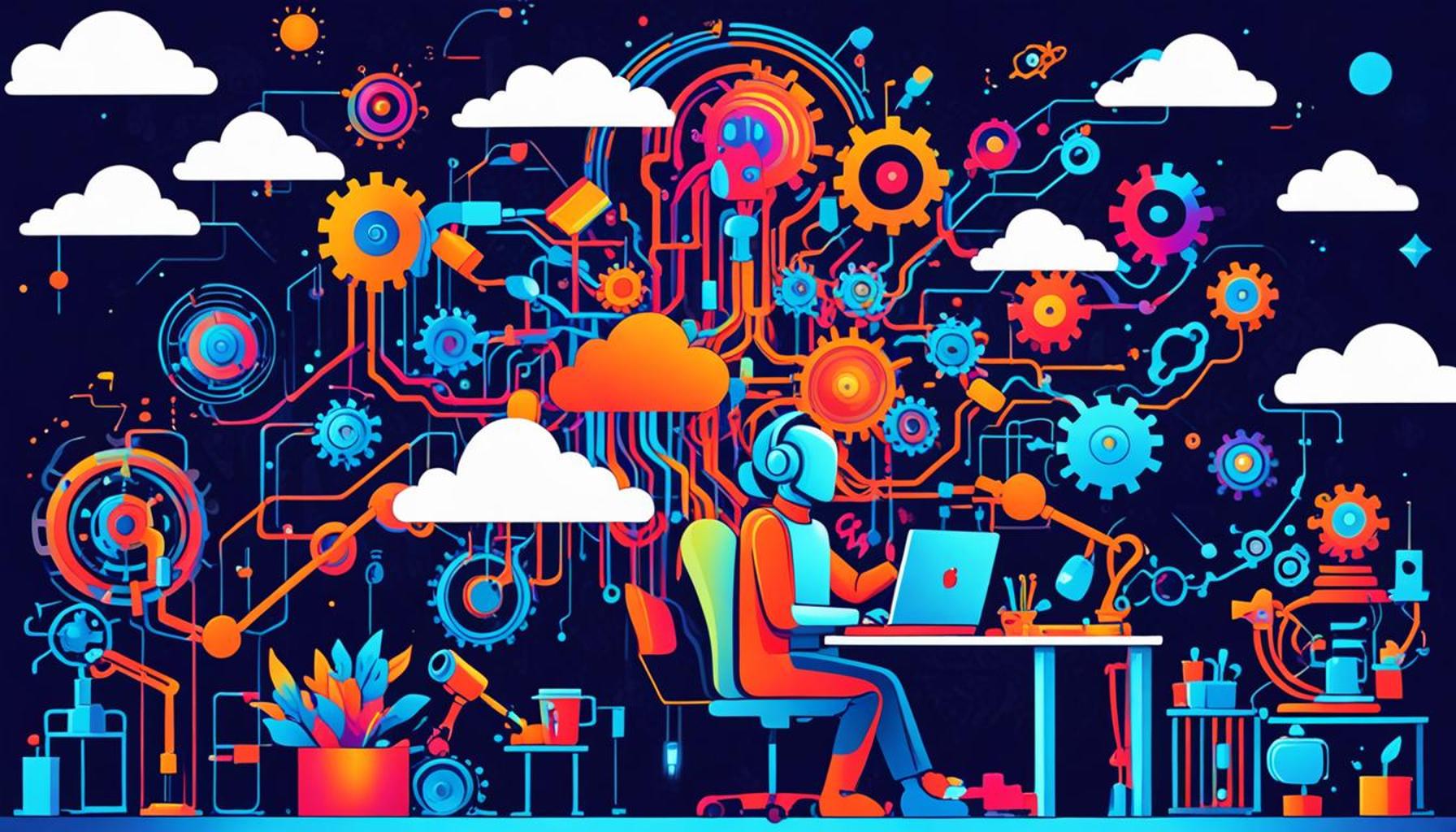
The Impact of AI and Cloud Automation on the Modern Workplace
The current transformation in the workplace powered by AI and cloud automation represents not just a change in tools, but a fundamental evolution in how organizations function. As companies throughout the United States leverage these technologies, the implications for efficiency and productivity are profound. This shift is not merely about adopting new software; it is a comprehensive reconfiguration of work dynamics.
One of the most significant features of this technological revolution is the increased efficiency through automation. Tasks that once consumed considerable time and resources, such as data entry or inventory management, are now being handled by automated systems. For example, industries like retail and manufacturing utilize automated inventory systems that not only track stock levels in real time but also predict when to reorder supplies, minimizing downtime. This not only empowers employees to concentrate on tasks that require critical thinking and creativity but also drastically cuts operational costs.
The enhancement of collaboration is another critical aspect of this evolution. Cloud-based platforms such as Google Workspace or Microsoft Teams have transformed how teams operate, placing a strong emphasis on real-time communication. In a post-pandemic world, where remote work has become prevalent, these tools eliminate geographical barriers, enabling seamless collaboration among diverse teams. Employees can share files, conduct video conferences, and manage projects from different locations, fostering an inclusive work environment that embraces flexibility.
Data-driven decision-making has emerged as a keystone of modern business strategy, largely thanks to AI analytics. Companies like Amazon and Netflix rely on complex algorithms to analyze consumer behavior, which informs product recommendations and marketing strategies. This capability enables organizations to make informed choices quickly, optimizing their offerings to align with market demands and staying competitive in a fast-paced world.
In this tumultuous landscape, it is crucial to understand that embracing these changes requires a shift in workplace culture. Employees must be encouraged to pursue lifelong learning to adapt their skill sets continually. With new technologies emerging regularly, the value of reskilling cannot be overstated—workers must be proactive in their professional development to thrive in a landscape characterized by rapid change.
As we explore the broader implications of AI and cloud automation, it becomes evident that the future of work is about more than just enhancing efficiencies—it is about reimagining what we expect from our jobs and how we engage with our colleagues. The organizational structure is evolving along with job roles, requiring a culture that supports adaptability, innovation, and a commitment to continuous improvement. Understanding these advancements is crucial for anyone looking to flourish in the modern workforce.
The Synergy of AI and Cloud Automation: A New Paradigm for Workforce Management
The convergence of AI and cloud automation is reshaping the very fabric of the modern workplace. As organizations across the United States adopt these technologies, we witness a groundbreaking shift not just in operational efficiency but in how projects are conceptualized and executed. The integration of intelligent systems into everyday tasks is fostering an environment where innovation thrives alongside productivity, illustrating the transformative power of these advancements.
Firstly, the role of AI-driven insights cannot be overstated. In the competitive landscape of American business, companies are increasingly turning to machine learning algorithms to process vast amounts of data that were previously untapped or difficult to analyze. For instance, industries such as finance benefit from AI’s capacity to detect fraudulent activities by analyzing transaction patterns. Similarly, in healthcare, predictive analytics powered by AI not only improve patient outcomes but streamline operational workflows, allowing professionals to focus on the most critical aspects of patient care.
- Enhanced Customer Experiences: Companies like Zappos leverage AI chatbots to provide immediate customer service, creating seamless experiences that boost satisfaction and loyalty.
- Optimized Resource Management: Businesses such as FedEx utilize AI algorithms to enhance delivery efficiency, reducing costs and improving service reliability.
- Streamlined Hiring Processes: Recruitment platforms deploy AI to filter resumes and identify suitable candidates quickly, a game-changer in the fast-paced job market.
Moreover, the role of cloud automation further amplifies these capabilities. By utilizing cloud-based tools, teams can easily access real-time data from virtually anywhere, revolutionizing how work is approached. For example, remote teams can utilize project management software that incorporates cloud automation to assign tasks, monitor progress, and adjust timelines collaboratively. This flexibility has become essential, especially as remote and hybrid work models gain traction post-pandemic.
Furthermore, the implication of this transition goes beyond efficiency; it opens the door to innovation-led cultures. Organizations must prioritize building environments where experimentation is encouraged, allowing employees to engage with new technologies without fear of failure. Businesses that provide room for experimentation alongside solid training initiatives are likely to see a workforce that is not only more agile but also more empowered to effect positive changes.
As organizations grapple with the pace of change, it’s evident that the future of work will hinge on a delicate balance between technical adoption and human adaptability. Recognizing that AI and cloud automation are tools for augmentation, rather than replacement, is crucial for a holistic approach to future workforce strategies.
As we delve deeper into the nuances of this automation revolution, it becomes clear that organizations must pivot towards a model that blends technology with human ingenuity. Embracing this duality is key to unlocking unprecedented potential, ensuring that both businesses and employees are equipped to thrive in a continually evolving landscape.
The Future of Work: AI and Cloud Automation Revolution
As we delve deeper into the evolving landscape of work, it becomes increasingly clear that AI and cloud automation are not just trends but are set to redefine the very essence of how we work. These technologies promise unparalleled efficiency, productivity, and innovation, bringing about a profound shift in workplace dynamics.
Cloud automation enables organizations to streamline operations, allowing tasks that once required extensive manpower to be executed with remarkable speed and precision. With AI, businesses can harness vast datasets to generate insights previously thought unattainable. This potent combination means that organizations can respond to market needs in real time, adapt their strategies on the fly, and ultimately deliver enhanced value to customers.
Moreover, the integration of these technologies fosters a culture of continuous improvement and agility within teams. Employees can focus on more strategic tasks as repetitive and mundane functions are automated, paving the way for a workforce that is not only more skilled but also more engaged. Businesses will increasingly require employees who can adapt to new tools and platforms, thus opening opportunities for training and innovation.
As we consider this profound transformation, it’s essential to examine the advantages brought forth by the AI and cloud revolution. Here’s a closer look at some of the aspects that will likely define this new era in the workplace:
| Category | Description |
|---|---|
| Increased Productivity | Automation of repetitive tasks allowing employees to focus on high-value work. |
| Cost Efficiency | Reducing operational costs through efficient resource management and reduced manpower requirements. |
As organizations continue to embrace AI and cloud capabilities, the sheer potential of these transformative technologies heralds a new chapter in the work paradigm. Staying ahead means understanding these changes and seeking ways to leverage them for sustainable growth and innovation.
The Human Element: Skills Transformation in the Age of Automation
As the AI and cloud automation revolution continues to unfold, a fundamental question arises: What will become of the workforce in this new digital era? The key lies in skill transformation. As routine tasks become increasingly automated, the demand for new skill sets tailored to complement AI technologies is surging. Educational institutions and businesses alike must adapt their training programs to ensure that employees are equipped with the necessary capabilities to thrive alongside these technologies.
Organizations are now taking proactive approaches to address this skills gap. Initiatives such as upskilling and reskilling programs are gaining traction across various sectors. Companies like Amazon, for example, have invested over a billion dollars in retraining their workforce to ensure employees can transition into more technically demanding roles. This trend indicates a broader commitment within industries to prepare the current workforce for future challenges.
- Digital Literacy: Employees must enhance their digital savvy, learning not only how to utilize cloud platforms but also how to interpret the data generated by AI systems.
- Critical Thinking and Problem Solving: While AI can process data, it lacks the human capacity for judgment and ethical considerations. Training programs emphasizing these skills will be pivotal for roles involving decision-making.
- Collaboration with AI: The future workforce will need to learn how to work alongside intelligent systems, understanding their insights and integrating them into human decision-making processes.
Further, the importance of soft skills cannot be overlooked. In a world where technology can handle many operational tasks, attributes such as empathy, communication, and creativity will distinguish human contributions to the workforce. Companies are beginning to recognize that employees who can bring emotional intelligence to teams, particularly in environments enhanced by AI, are invaluable.
Industry-Specific Adaptations to Automation
The implications of AI and cloud automation vary considerably across industries, necessitating tailored approaches for different sectors. For example, the manufacturing industry is witnessing a surge in robotic process automation (RPA), where robots handle repetitive production tasks, thus allowing human workers to pivot toward more complex, value-added responsibilities. This shift is driving a demand for workers with skills in robotics management and programming.
On the other hand, in sectors like education, AI technology is being utilized to create personalized learning experiences. Through data analytics, educators can better understand student needs, driving a demand for skills in data interpretation and student engagement strategies. The trend indicates a gradual evolution from traditional methods toward more interactive and tailored educational practices.
The Regulatory Landscape and Ethical Considerations
As AI and cloud automation reshape workplaces, regulatory bodies are tasked with crafting guidelines that protect workers while allowing innovation to flourish. Discussions surrounding ethical AI have gained traction, emphasizing the need for transparency and fairness in AI algorithms. Policymakers are recognizing the importance of establishing frameworks that ensure technologies are not only efficient but also equitable, preventing discrimination and bias in automated processes.
To navigate this new landscape, it is essential that organizations engage actively with legislators to ensure regulations reflect the real-world implications of AI. A collaborative approach can lead to standards that both foster technological advancement and safeguard workforce welfare.
In summary, as we stand on the precipice of a profound transformation, the convergence of AI and cloud automation is driving a redefinition of skills and job roles. Organizations need to embrace this change by investing in workforce development and engaging in ongoing dialogues about ethical considerations, thus ensuring that the benefits of technological advancements are fully realized while equipping people for a prosperous future. Each step taken toward skill enhancement and regulatory alignment will pave the way for organizations to thrive in the age of automation.
Conclusion: Navigating the New Frontier of Work
As we navigate the transformative landscape shaped by the AI and cloud automation revolution, it is evident that the future of work is being redefined at an unprecedented pace. The integration of sophisticated technologies into the workplace is not merely a trend; it marks a radical shift in how businesses operate and how employees contribute. The key to unlocking the potential of these advancements lies in a dual approach: investing in human capital through skill transformation and fostering an ethical framework that governs technology deployment.
Organizations must prioritize upskilling and reskilling initiatives to prepare their workforce for emerging roles that require a profound understanding of technology and data. This commitment is vital for ensuring that employees not only survive but thrive in an era dominated by AI. Furthermore, industries must embrace the nuances of AI adoption, tailoring their strategies to harness the unique opportunities automation presents. From manufacturing to education, those who adapt will lead the way in innovation.
Nevertheless, as we embrace these changes, a vigilant approach to ethics and regulation cannot be overlooked. Policymakers must collaborate with industry leaders to establish guidelines that promote transparency and equity in AI applications. Ensuring that the benefits of automation are distributed fairly will be crucial in maintaining a healthy socio-economic balance as we move forward.
In conclusion, the future of work will not be solely defined by technological advancement but by our response to these changes. By fostering a culture of continuous learning and engaging in responsible practices, we can build a resilient workforce ready to thrive in an automated world. The journey ahead may be challenging, but with a proactive mindset, we can shape a future where technology and humanity coexist harmoniously, driving progress and innovation.
Related posts:
The Role of Reputation and Ratings in Online Marketplaces
How AI is Transforming the Healthcare Sector Key Impacts
Ensuring Compliance in Cloud Computing A Comprehensive Guide
The Influence of Social Media on Shein's Sales in Online Marketplaces
AIs Transformative Impact on Online Marketplaces What to Expect
Crafting Effective Marketing Strategies for Online Marketplaces A Guide