AI Business Trends Transformative Applications in 2024
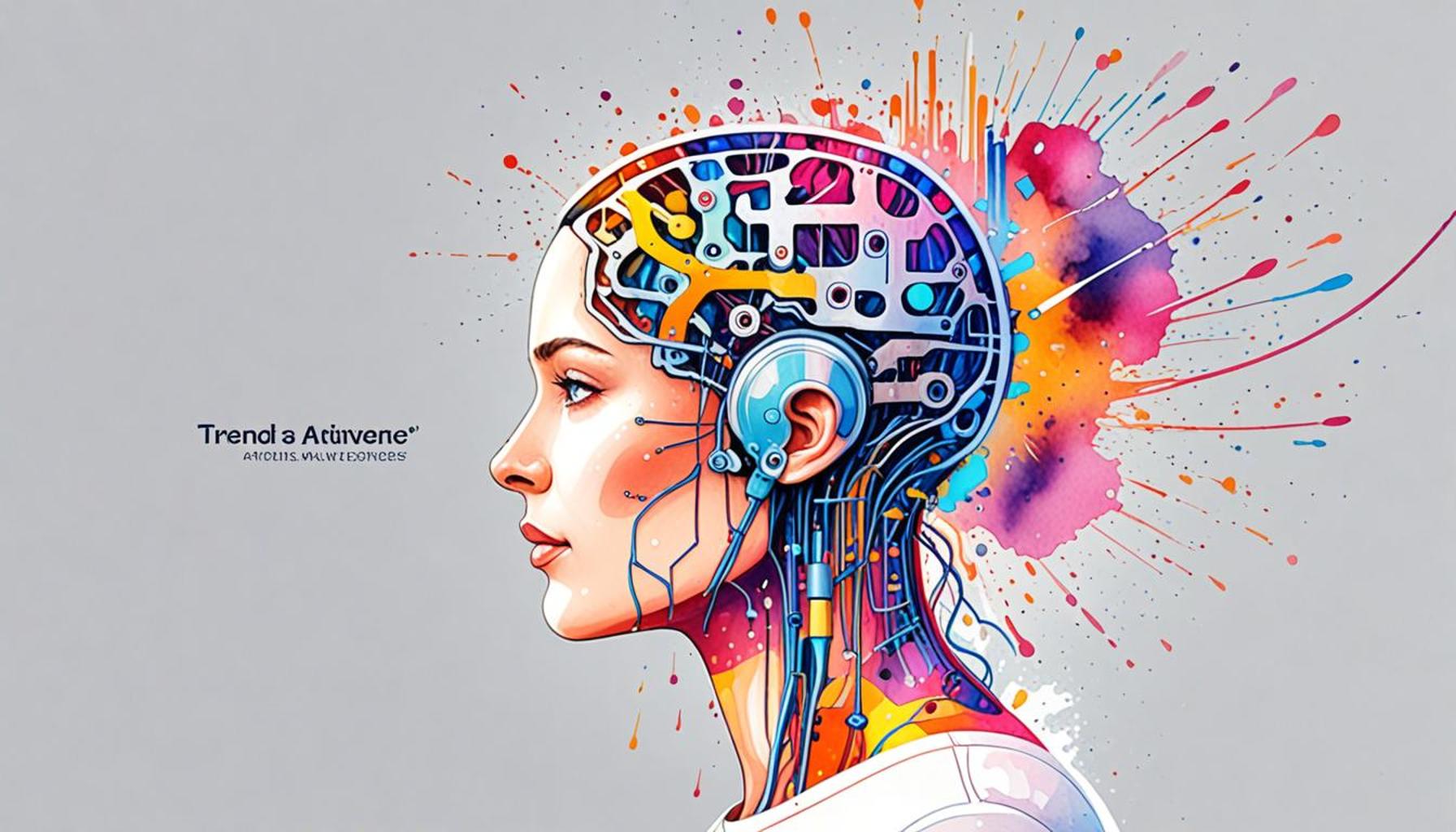
The Role of Artificial Intelligence in Transforming Business Operations
As 2024 unfolds, artificial intelligence is emerging as a key player in transforming how businesses operate across the United States. Its capability to drive innovation and efficiency is reshaping industries, allowing organizations to not only keep pace with rapidly changing market demands but also to anticipate future trends. Companies that leverage AI technologies stand to gain a significant edge through improved productivity and heightened levels of customer engagement.
Several pivotal trends are taking center stage within this transformative landscape:
- Automation of Routine Tasks – Businesses are increasingly implementing AI-driven solutions to handle repetitive tasks such as data entry, payroll processing, and inventory management. For example, accounting firms are utilizing AI algorithms to streamline tax preparation, significantly reducing the time spent on manual data organization. This shift allows employees to focus on more strategic initiatives like analyzing financial trends and advising clients on investment strategies.
- Enhanced Data Analytics – The ability of AI to process and analyze vast datasets in real-time is revolutionizing decision-making. Organizations across sectors, from retail giants like Walmart to tech startups, are employing AI tools to gain insights into consumer behaviors, market trends, and operational efficiency. Retailers, for instance, can now track customer preferences and adjust inventory in response to shifting demands, creating a more dynamic shopping experience.
- Personalized Customer Experiences – AI is redefining customer interaction through personalized recommendations and services. Streaming platforms like Netflix and e-commerce sites like Amazon employ sophisticated AI algorithms that analyze user behavior, providing highly relevant content suggestions and product recommendations. This level of customization enhances user satisfaction and fosters customer loyalty, as consumers feel understood and catered to.
This surge in AI applications is transformative, impacting not only traditional sectors such as finance and healthcare but also emerging areas like renewable energy and agriculture. For instance, in agriculture, AI technologies are being harnessed to optimize crop production through predictive analytics, helping farmers to make better planting and harvesting decisions. Moreover, in renewable energy, AI systems are improving grid management, predicting energy trends, and enhancing energy efficiency.
As businesses lean into these AI business trends, they can navigate the complexities of the digital era with greater confidence. However, one question lingers: how will AI applications evolve in the coming years, and what innovative opportunities will they present for future business landscapes? Staying informed and adaptable will be crucial as organizations work to unlock the full potential of AI technologies in the ever-changing global market.
CHECK OUT: Click here to explore more
AI-Driven Innovation: Key Trends Reshaping Industries
As we dive deeper into 2024, the landscape of business operations is unmistakably influenced by the transformative applications of artificial intelligence. From enhancing productivity to revolutionizing customer engagement, AI stands at the forefront of innovation that not only meets current demands but also anticipates future consumer needs. This evolution is not an isolated phenomenon; it is a comprehensive shift that transcends traditional boundaries and embraces groundbreaking technologies.
To understand the full impact of AI on business, we must explore several emerging trends that are gaining momentum:
- Predictive Analytics – Businesses are increasingly harnessing AI for predictive analytics, which allows for informed decision-making backed by data-driven insights. By utilizing historical data and machine learning algorithms, companies can forecast trends such as customer demand or product lifecycle. For instance, a leading online retailer can analyze past purchasing behaviors to predict future sales, optimizing inventory levels to prevent stock-outs or overstock situations.
- AI in Supply Chain Management – The integration of AI in supply chains is streamlining operations and driving efficiency. Companies are utilizing AI to enhance logistics, optimize delivery routes, and ensure timely production schedules. By applying machine learning algorithms, businesses can identify potential supply chain disruptions before they happen, allowing for proactive countermeasures that save time and reduce costs.
- Natural Language Processing (NLP) – The advent of NLP in AI is transforming customer service. Companies are adopting AI-powered chatbots to provide instant support, answering queries and resolving issues without the need for human intervention. This not only improves customer satisfaction but also enables businesses to efficiently allocate human resources to more complex inquiries, enhancing overall service quality.
Beyond these trends, AI’s influence permeates various sectors, demonstrating its versatility. For example, in the financial industry, AI algorithms are used for fraud detection, protecting consumers and financial institutions from scams and unauthorized transactions. Restaurants are employing AI to analyze customer feedback and adjust menus dynamically, ensuring they meet ever-evolving consumer preferences.
With advancements in AI technologies, organizations can anticipate market changes and capitalize on emerging opportunities, steering them towards a future where agility and innovation are paramount. However, as businesses embrace these AI business trends, they must also remain vigilant about potential challenges, including ethical considerations and data privacy concerns.
As we look ahead, it is crucial to ponder: how can companies best harness these transformative AI applications to secure a competitive advantage? By staying informed and adaptable, organizations can navigate the complexities of 2024 and beyond, ensuring they are prepared to thrive in a data-driven world.
| Category | Description |
|---|---|
| Enhanced Customer Experience | Discover how AI-driven insights personalize interactions, leading to increased customer satisfaction and loyalty. |
| Operational Efficiency | AI applications streamline processes, reduce errors, and optimize resource allocation, significantly boosting productivity. |
As we delve deeper into the landscape of AI Business Trends Transformative Applications in 2024, it is crucial to highlight the significant advantages that emerging technologies bring to the business sector. Through the lens of enhanced customer experience, organizations are leveraging AI to glean valuable insights from customer interactions. This personalization fosters deeper connections, translating to higher levels of satisfaction and a much more loyal clientele. Simultaneously, the pursuit of operational efficiency highlights how AI applications automate mundane tasks and meticulously analyze data to minimize errors. By enhancing performance at every level, businesses can focus more on strategic initiatives rather than remedial tasks. The quest for innovation will undoubtedly lead to transformative practices that are more agile, responsive, and tailored to meet the evolving expectations of both consumers and the market at large. In this rapidly evolving technological landscape, adaptation and integration of AI practices will be pivotal for businesses aiming to thrive in the new year.
SEE ALSO: Click here to read another article
AI as a Catalyst for Enhanced Business Strategies
As we progress through 2024, businesses are not just adopting AI; they are embedding it within their core strategies to drive innovation and efficiency. This transformative shift showcases how companies are redefining their operations through AI-driven business strategies, making AI an essential omnipresent factor across various sectors.
A pivotal aspect of this transformation lies in the rise of AI-Enhanced Marketing Campaigns. Companies are leveraging machine learning to refine their marketing strategies, targeting customers with unprecedented precision. By analyzing large datasets pertaining to consumer behavior, AI tools can create personalized recommendations that resonate with individual preferences. For example, a streaming service might use AI algorithms to recommend shows based on viewing history, thereby increasing user engagement and satisfaction. This highly individualized approach is not just a trend; it is rapidly becoming the standard expectation among consumers.
Additionally, companies are turning to AI in Financial Forecasting. Gone are the days of traditional forecasting models that relied solely on historical data. Businesses are now utilizing dynamic AI models that adjust predictions in real-time, based on current market conditions and unprecedented events. A notable application can be observed in the retail sector during economic downturns, where AI can assess shifting consumer spending habits and provide timely insights to adjust pricing strategies accordingly. This agility ensures that companies remain competitive even in volatile landscapes.
- AI and Remote Workforce Optimization – The shift towards remote work has necessitated innovative approaches to workforce management. AI tools are now being employed to monitor and enhance workforce productivity. For instance, AI-driven platforms can analyze employee performance metrics and suggest personalized training modules to optimize skills development. This not only fosters productivity but also boosts employee satisfaction by aligning development opportunities with individual career aspirations.
- AI in Predictive Maintenance – In manufacturing, the application of AI for predictive maintenance has gained traction. By utilizing IoT sensors and AI algorithms, companies are capable of predicting equipment failures before they occur. This proactive maintenance approach minimizes downtime and significantly reduces repair costs. The automobile industry, for example, is already employing these techniques to ensure seamless production flows and optimize resource allocation.
The convergence of AI technologies with physical assets, termed AI-Driven Automation, is another notable trend reshaping how industries operate. Businesses are increasingly investing in robotics and AI systems that automate routine tasks, from assembly lines to administrative processes. Manufacturing giants are now deploying AI robots capable of performing intricate tasks, markedly improving efficiency and reducing errors.
Moreover, AI in Cybersecurity continues to evolve, intensifying its role as a front-line defense against emerging threats. Companies are deploying AI-driven security solutions that actively identify anomalies and potential security breaches. This capability is especially critical as cyber threats become increasingly sophisticated and data protection regulations tighten. The collaboration between AI and cybersecurity is pivotal in safeguarding both corporate assets and consumer information.
These transformative applications underscore a reality where businesses must adapt rapidly to remain competitive in 2024. The integration of AI not only optimizes existing processes but also opens new avenues for growth and innovation, enabling companies to create value in ways previously unimagined. As organizations harness these AI business trends, the ability to innovate and adapt will ultimately determine success in an increasingly digital economy.
SEE ALSO: Click here to read another article
Conclusion: Embracing the Future with AI
The landscape of business in 2024 is undeniably shaped by the pervasive influence of AI business trends, marking a notable departure from traditional operational frameworks. As companies increasingly adopt AI technologies, they are not merely enhancing efficiency but are fundamentally transforming their business models. From AI-enhanced marketing that tailors experiences to individual consumer preferences to predictive analytics that empower agile decision-making, the opportunities brought forth by AI are vast and varied.
Moreover, the sector’s growing reliance on automation and cybersecurity elucidates a clear trajectory toward a more intelligent, responsive business ecosystem. The developments in workforce optimization and predictive maintenance not only mitigate challenges but also open doors for innovative growth, ensuring sustainability in the face of changing market dynamics. Companies that embrace these technological advancements are likely to distinguish themselves from competitors, reaping substantial rewards.
As we advance further into this AI-driven era, it will be crucial for organizations to remain vigilant and adaptable. Continuous learning and evolution in this space will foster resilience amidst uncertainty. By leveraging AI not just as a tool but as a transformative partner, businesses can cultivate an environment ripe for enhanced creativity, efficiency, and ultimately, success. Embracing these emergent trends is not merely an option in 2024—it is a vital imperative for every business seeking to thrive in the digital age.
Related posts:
Shein Reviews Tips to Identify Genuine Buyer Feedback Effectively
The Impact of Social Media on Shein's Marketing Strategies and Consumer Engagement
Digital Innovations Role in Startup Growth Key Insights Strategies
Emerging Automation Trends in Corporate Environments for 2024
How AI and Machine Learning Enhance Cloud Computing Efficiency
The Future of Virtual Fashion Shows: Shein's Experimentation with Digital Runways