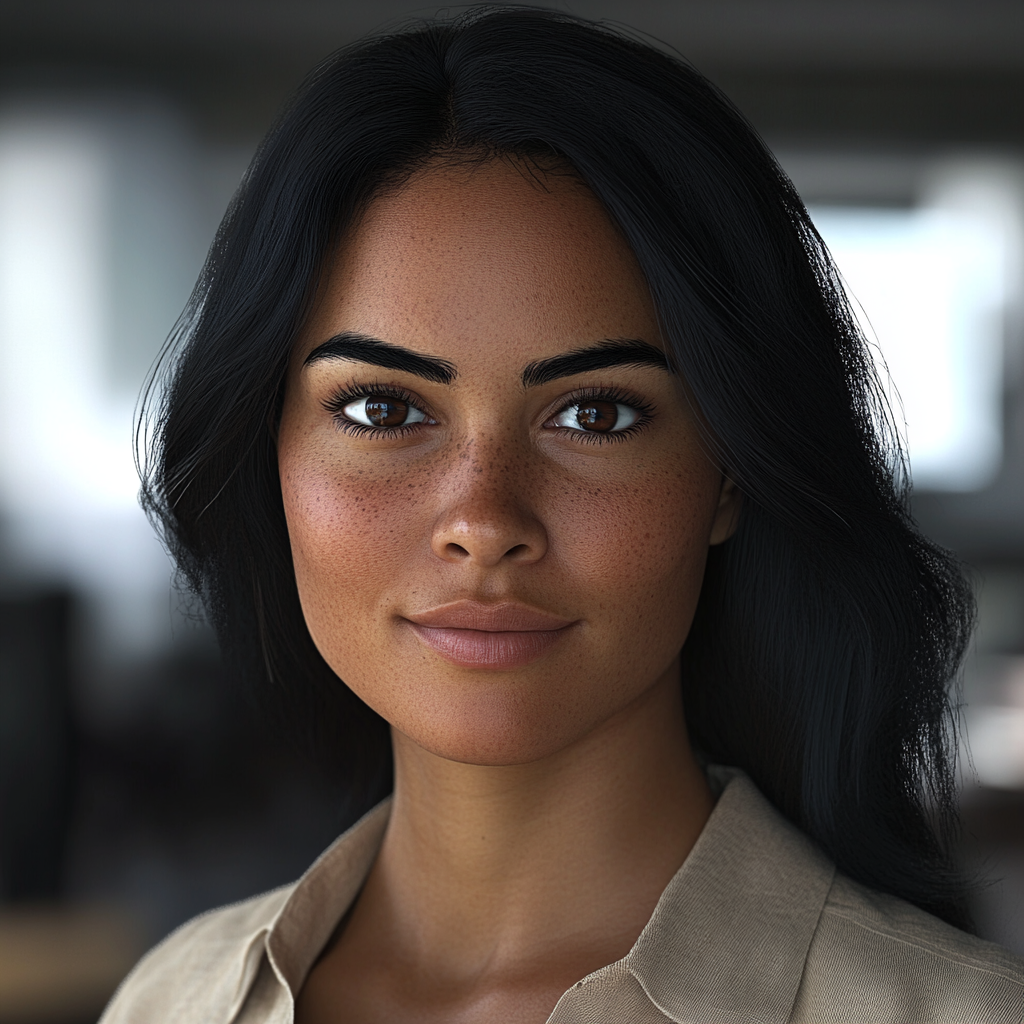
Generative AI Revolutionizing the Future of Digital Content Creation

Understanding Generative AI’s Impact on Digital Content Creation
The emergence of Generative AI is fundamentally transforming digital content creation, a field that has traditionally relied on human creativity and effort. This powerful technology utilizes algorithms to generate original content, which can include anything from written articles to intricate images and videos. With its ability to mimic and replicate human-like creativity, Generative AI is proving to be more than a mere technological advancement; it signifies a paradigm shift in how we conceptualize and interact with digital media.
One of the most notable aspects of this innovation is its ability to enhance creativity. Utilizing machine learning models, AI can produce unique narratives, create stunning visual art, and even compose music. For instance, tools like DALL-E, developed by OpenAI, allow users to generate images from textual descriptions, reshaping how artists and designers conceptualize their work. Similarly, platforms like Copy.ai can craft advertisements or engaging social media posts tailored to specific audiences, enabling marketers to explore new creative avenues that were previously unimagined.
In addition to creativity, efficiency is another significant advantage of Generative AI. It automates routine tasks, freeing up creators to engage in more innovative aspects of their projects. For example, in the realm of journalism, AI can automate data collection and reporting, allowing reporters to focus on in-depth analysis and storytelling. This shift not only streamlines the content creation process but also enhances the overall quality and depth of the work produced.
Furthermore, Generative AI offers the capability of personalization. By analyzing audience preferences and behavior, AI can tailor content, ensuring it resonates with specific demographics. Streaming services like Netflix use AI algorithms to predict what shows viewers might enjoy based on their watching history, thus crafting a more personalized viewing experience. This not only drives engagement but also fosters loyalty among users who feel catered to in their unique tastes.
However, the rise of Generative AI is not without its challenges. As this technology becomes increasingly integrated into the creative landscape, questions arise regarding authenticity and copyright. If a piece of literature or art is created by an AI, who holds the rights to that work? Moreover, the automation of creative processes raises concerns about the future of creative professions, as artists and writers may find themselves competing with machines capable of producing high-quality content at speed.
As we navigate this new digital frontier, the potential applications of Generative AI remain vast and largely untapped. Understanding how this technology will evolve and continue to shape our interactions with digital content begs further exploration. Will it redefine creativity, or will it simply serve as a tool enhancing human ability? Only time will reveal the answers, but one thing is clear: the digital landscape is undergoing significant transformation.
Harnessing Creative Potential Through Generative AI
The intersection of technology and creativity has always been a fertile ground for innovation, and Generative AI stands at the forefront of this revolution. By leveraging complex algorithms and a wealth of data, AI systems are not just learning from established patterns in art, writing, or music; they are generating entirely new forms of digital content that push the boundaries of conventional creativity. Companies, artists, and content creators are increasingly turning to tools powered by Generative AI to augment their capabilities,; enabling them to produce work that resonates more deeply with audiences while also reducing the time and effort required for creation.
To comprehend the extent of Generative AI’s influence, it’s essential to explore its applications across various domains:
- Visual Arts: AI tools like Artbreeder and DeepArt have made waves by allowing users to blend images, create unique art styles, and even generate photorealistic images from scratch. Artists can experiment with new concepts rapidly, leading to a reinvention of the creative process.
- Writing and Storytelling: Platforms such as GPT-3 developed by OpenAI can compose articles, poetry, and even storylines that rival human authors. Many brands are utilizing these tools to produce SEO-optimized content that caters to their target demographics, thereby enhancing their online presence and engagement rates.
- Video Production: Companies are exploring Generative AI for synthesizing videos based on scripts or providing voiceovers that adjust in tone and pace to match the desired style, greatly simplifying the video-editing process.
Moreover, the potential of Generative AI extends beyond mere content creation; it augments decision-making processes in creative industries. For instance, content optimization tools can analyze performance metrics, suggesting alterations to headlines, imagery, or even content themes that resonate more strongly with an audience. This data-driven approach fosters a culture of continuous improvement, empowering creators to stay ahead of trends and audience preferences.
Despite its many advantages, the adoption of Generative AI in digital content creation warrants a critical examination of its implications. As algorithms churn out new content, there is an ongoing dialogue about the authenticity of work produced with AI assistance. Are we witnessing a new dawn of creativity, or an erosion of human craftsmanship? Furthermore, the role of intellectual property comes into play, with legal frameworks still grappling to define ownership in a world where machines can now ‘create.’
Additionally, the rise of AI-generated content prompts a re-evaluation of employment within the creative sectors. As machines take over routine tasks, human artists must find ways to redefine their roles, focusing on aspects of creativity that remain inherently human—empathy, emotional depth, and contextual understanding. This shifting landscape invites an urgent conversation about education and skill development that aligns with the evolving demands of the digital era.
As Generative AI continues to permeate the fabric of content creation, its impact is expected to grow, influencing not just the mechanics of how content is produced, but also how it is perceived and valued in society. It is a compelling time for creators, technologists, and consumers to explore the horizons of potential, with the digital content landscape on the brink of a seismic transformation.
| Advantage | Impact |
|---|---|
| Automated Content Generation | Generative AI enables rapid content creation, allowing creators to focus on strategy and creativity while automating repetitive tasks. |
| Enhanced Personalization | Leveraging user data, generative AI crafts customized experiences that resonate with audiences, boosting engagement levels and improving overall outreach. |
In an era where time is of the essence, Generative AI emerges as a game-changer in digital content creation, streamlining workflows that were traditionally time-consuming. With tools that can generate articles, graphics, and videos autonomously, businesses can ensure high-quality output swiftly. This sharp increase in productivity does not merely enhance operational efficiency but also opens the door to innovative creative endeavors.Moreover, the power of enhanced personalization through AI-driven analytics cannot be understated. By harnessing vast amounts of user data, generative AI provides invaluable insights that allow content creators to tailor their messages, ensuring they strike a chord with diverse audiences. As a result, brands can develop deeper connections with their customers, leading to heightened satisfaction and loyalty. The future of content creation undeniably rests on the synergy between human creativity and generative AI capabilities, paving the way for more impactful and meaningful digital interactions.
Transforming Industries Beyond the Creative Sphere
While the impact of Generative AI on digital content creation is most evident in creative fields, its transformative power extends far beyond art, music, and literature. Industries such as marketing, education, and entertainment are also experiencing significant shifts as they adapt to harness the capabilities of AI. From personalized learning experiences to new marketing strategies, the implications of generative technologies are reshaping traditional paradigms.
Marketing and Advertising has seen an undoubted revolution through the adoption of Generative AI. Modern businesses are increasingly relying on AI tools to create tailored marketing campaigns that resonate with specific consumer segments. For instance, AI platforms can analyze massive datasets to discern patterns in consumer behavior, allowing companies to craft targeted advertisements that speak directly to user preferences. This data-driven approach not only enhances engagement rates but also maximizes ROI on marketing budgets. As a result, businesses are witnessing a notable shift from generic, one-size-fits-all campaigns to highly personalized marketing experiences that capture the attention of their audiences while fostering brand loyalty.
In the education sector, Generative AI is pioneering new avenues for personalized learning. With tools that create unique curricula based on individual learning styles, this technology caters to diverse educational needs, drastically improving the learning experience. AI-powered platforms are now capable of generating quizzes, study materials, and even personalized feedback for students, allowing educators to focus on providing emotional support and guidance. As students engage with content that resonates with their specific needs, educational institutions anticipate enhanced learning outcomes and improved retention rates.
Furthermore, Generative AI is making waves in the realm of gaming and interactive entertainment. Developers are leveraging AI algorithms to create immersive, responsive gaming environments that adapt in real-time to player actions. This innovation significantly enhances user engagement and interactivity, allowing for richer and more personalized gameplay experiences. With AI generating narratives and dynamic scenarios, players are treated to experiences that feel both fresh and unique with each session, marking a departure from linear gaming narratives.
A noteworthy example resides in the world of news and journalism. AI-driven content generation tools enable media outlets to produce timely and relevant news articles automatically. This speeds up the reporting process, ensuring that urgent news is disseminated rapidly. While some express concern over the quality and accuracy of AI-generated reports, others argue they serve as an essential tool for journalists, allowing professionals to focus on deep investigative work and analysis rather than routine news coverage.
While the evolution of Generative AI presents numerous opportunities for growth and innovation, it also implicates ethical considerations and challenges that must not be overlooked. The potential for misinformation, as AI-generated content blurs the lines between human and machine-created material, necessitates a new set of guidelines to ensure transparency and accountability. As creators, industries, and consumers navigate this landscape, the conversation surrounding ethical AI usage will be paramount in unearthing the artistry and purpose behind every piece of generated content.
As we delve deeper into the ramifications of Generative AI, it becomes increasingly clear that its influence will shape the future of digital content creation across a multitude of sectors. The landscape is evolving, with technology leading the charge in redefining how we generate, consume, and interpret content in the digital age.
Conclusion: The Future of Digital Content Creation with Generative AI
As we stand on the brink of a new era in digital content creation, Generative AI emerges as a game-changer, influencing not just the creative spheres but vastly diverse industries such as marketing, education, gaming, and journalism. The seamless integration of this technology enables businesses to develop finely-tuned marketing strategies that resonate with consumers on a personal level, while educational platforms are fostering bespoke learning experiences tailored to individual needs. Furthermore, the gaming industry benefits from more interactive and immersive environments, enhancing user engagement in unprecedented ways.
Nevertheless, the rise of Generative AI comes with its own set of challenges and ethical dilemmas. The fine line between human-created and AI-generated content raises questions about misinformation and accountability. It is critical for stakeholders to prioritize transparency and adopt guidelines that navigate the complexities of this rapidly evolving landscape. As we explore its potential, it becomes essential to understand that while Generative AI facilitates unprecedented innovations, it must be wielded responsibly to ensure the integrity of the content we consume.
Looking ahead, the continued collaboration between humans and AI promises exciting possibilities for the future of digital content creation. As we adapt to these technological advancements, it is imperative for industries to remain vigilant and proactive in addressing the associated ethical considerations while maximally leveraging the transformative capabilities of Generative AI. The dialogue surrounding these topics is not just relevant; it is vital for shaping a future where creativity, innovation, and ethics coexist harmoniously.
Related posts:
AI Integration with Cloud Solutions Revolutionizing Modern Tech
Top Cloud Solution Providers Key Differences and Benefits Explained
Marketplaces Transforming Global Commerce in a Globalized Era
Role of AI in Shaping Future Digital Innovation Trends
AI Benefits in Business Processes Boost Corporate Performance
Emerging Technologies Set to Boom by 2030 Innovations to Watch