How AI Integration is Transforming Companies for Future Growth
Transforming Business Operations
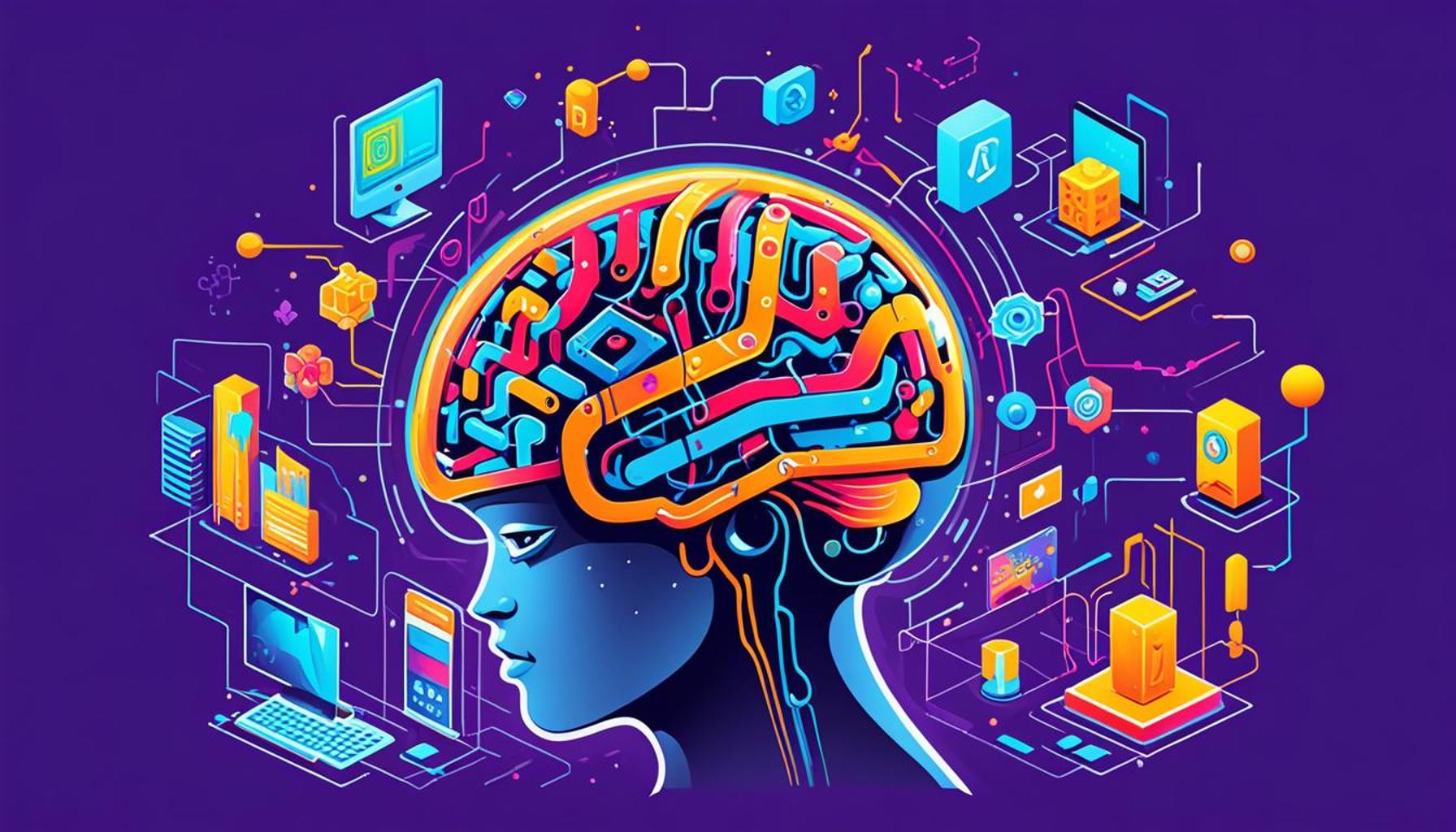
Artificial Intelligence (AI) is revolutionizing various facets of business by introducing innovative tools and solutions. This technology has evolved from being an exciting technological novelty to an indispensable resource that boosts efficiency and fosters competitive advantage in diverse industries. According to a report by McKinsey, almost 70% of organizations claim they are in some form of AI adoption phase, underscoring its significance in the contemporary business environment.
Key areas benefiting from AI:
- Customer Support: AI-powered chatbots and virtual assistants are transforming customer service, operating 24/7 to handle inquiries, troubleshoot issues, and provide personalized recommendations. Companies like Sephora and H&M leverage these tools to enhance customer satisfaction while reducing operational costs.
- Data Analysis: Advanced AI algorithms can analyze colossal datasets far quicker and more accurately than human analysts. For example, companies like Netflix utilize AI to study viewing patterns, leading to the production of highly successful original content tailored to audience preferences, thus driving subscriber growth.
- Supply Chain Management: AI technology plays a pivotal role in optimizing supply chains by predicting demand more accurately than traditional methods. Retail giants like Walmart implement AI solutions to manage inventory levels effectively, resulting in improved efficiency and considerable cost savings.
Emerging trends reveal additional dimensions of AI integration:
- Predictive Analytics: Businesses harness AI to anticipate sales fluctuations and market trends. For instance, financial institutions are employing AI for risk assessment and fraud detection, which enhances the security of transactions and builds customer trust.
- Personalized Marketing: AI enables marketers to personalize communications and recommendations according to individual customer behaviors. Companies like Amazon use these algorithms to suggest products, resulting in higher conversion rates and improved customer loyalty.
- Automation: The automation of routine tasks through AI frees up human talent to concentrate on more strategic initiatives. This shift not only increases productivity but also encourages innovation, as employees can devote time to creative problem-solving and strategic planning.
As businesses integrate AI into their operations, they encounter a dual-edged sword of opportunities and challenges. The rapid evolution of AI technologies demands agility and adaptability from organizations to stay ahead of the curve. Those that succeed will likely find themselves well-positioned in an increasingly competitive and AI-driven marketplace.
In conclusion, the integration of AI provides a window into an exciting future marked by increased efficiency, personalized experiences, and informed decision-making. For businesses looking to thrive in this new landscape, understanding and leveraging AI technologies are not merely beneficial but essential for fostering growth and maintaining competitiveness.
Redefining the Workforce
The integration of AI is not just reshaping business operations, but it is also profoundly affecting the workforce dynamics within organizations. As automation becomes increasingly prevalent, employers are faced with the dual challenge of redeploying existing talent while simultaneously attracting new skill sets necessary for an AI-driven environment. According to a report by PwC, it is estimated that AI could contribute up to $15.7 trillion to the global economy by 2030, indicating that organizations must adapt their workforce strategies to harness this potential fully.
Transformational aspects of AI on workforce dynamics include:
- Upskilling and Reskilling: As AI technologies automate routine tasks, there is an increasing need for employees to evolve their skills. Companies like Google have implemented extensive training programs that equip staff with AI knowledge, ensuring they remain relevant and can work alongside emerging technologies.
- Job Creation and Evolution: Contrary to fears surrounding job loss, AI is creating new job categories that didn’t previously exist. For instance, positions in AI ethics, machine learning engineering, and data analysis are in high demand. The role of a data scientist, which has rapidly gained prominence, exemplifies this shift—organizations are increasingly turning to data-driven decision-making.
- Enhancing Collaboration: AI tools are facilitating collaboration across teams by breaking down silos within organizations. AI can analyze employee interactions and suggest optimized team structures, enhancing productivity. Salesforce’s Einstein, for example, uses AI to recommend personalized insights that encourage better collaboration between sales teams and customers.
As businesses begin to understand the human aspects of AI integration, a cultural transformation is also underway. Organizations are fostering environments that support experimentation and innovation, allowing employees to freely explore AI applications relevant to their roles. This cultural shift is essential, as it empowers employees to embrace change rather than resist it.
Moreover, integrating AI within the workplace can offer employees a more fulfilling work experience. By alleviating mundane tasks, AI allows workers to focus on higher-level functions that require creativity and critical thinking. According to a study by IBM, companies that implement AI solutions report a 35% increase in employee satisfaction due to reduced workloads and enhanced job fulfillment.
The shift towards an AI-integrated workforce signifies a broader trend in organizational evolution:
- Agility in Talent Management: Businesses are adopting flexible talent management strategies to align with the rapid pace of AI advancements, ensuring they can pivot and adapt as required.
- Increased Employee Autonomy: Employees are encouraged to make decisions based on AI-generated insights, fostering a sense of ownership and accountability.
- Focus on Emotional Intelligence: As automation takes over tasks, human emotional intelligence becomes a significant differentiator, leading companies to prioritize soft skills in their hiring processes.
While the promise of AI integration offers myriad benefits, organizations must also navigate the complexities of maintaining an engaged and capable workforce. Embracing reskilling, fostering collaboration, and nurturing a culture of innovation will be vital for companies seeking sustained growth in the AI era.
AI-Driven Decision Making
The integration of artificial intelligence (AI) technologies is dramatically reshaping decision-making processes within organizations. By harnessing vast amounts of data, AI algorithms can analyze patterns and provide insights that human analysts may overlook. This allows companies to operate with unparalleled agility, making informed decisions quickly in response to market dynamics.
Enhanced Customer Experience
AI systems are revolutionizing how businesses interact with clients. Through chatbots and personalized recommendations, companies create more tailored experiences. By analyzing customer behavior and preferences, AI enables firms to engage with consumers in meaningful ways, fostering loyalty and satisfaction. This transformation not only improves brand perception but also drives sales growth through enhanced user interaction.
Operational Efficiency
Another significant impact of AI integration is improved operational efficiency. By automating repetitive tasks, organizations can redirect resources towards more strategic initiatives. This not only minimizes human error but also reduces costs, leading to enhanced productivity. With AI handling mundane tasks, employees can focus on innovation and growth strategies, fulfilling company potential.
Scalability and Adaptability
The scalability of AI systems allows businesses to adapt swiftly to shifting market conditions. AI can process large-scale data effortlessly, enabling companies to seize new opportunities more efficiently. Whether it’s predictive maintenance in manufacturing or dynamic supply chain adjustments, AI capabilities empower organizations to remain competitive in a rapidly evolving landscape.
| Advantage | Description |
|---|---|
| AI-Driven Decision Making | Utilizes data analytics for rapid and informed strategic choices. |
| Enhanced Customer Experience | Personalized interactions that improve customer satisfaction and loyalty. |
| Operational Efficiency | Automation of processes leading to reduced costs and increased productivity. |
| Scalability and Adaptability | Ability to adjust quickly to market changes using data-driven insights. |
Enhancing Customer Experience
The infusion of AI into business strategies is not solely about optimizing internal operations; it’s also about enhancing customer experience through personalized interactions and predictive analytics. Today’s consumers have higher expectations than ever before, and organizations must adapt to meet these demands through AI-driven solutions. Research from McKinsey reveals that organizations able to deliver personalized experiences can expect up to a 10-15% revenue boost and a significantly higher customer retention rate.
Key ways AI is revolutionizing customer experience include:
- Personalization at Scale: AI systems can analyze massive datasets to identify customer preferences and behavior patterns, enabling businesses to curate tailored experiences across all touchpoints. For example, online retailers like Amazon use AI algorithms to recommend products based on past purchases and browsing history, driving sales and enhancing customer satisfaction.
- Chatbots and Virtual Assistants: Companies are deploying AI-driven chatbots to offer customers immediate assistance 24/7. These virtual assistants can handle straightforward inquiries, freeing up human agents for more complex interactions. A report by Gartner indicates that by 2025, 75% of customer interactions will be powered by AI technologies, showcasing their growing importance in customer service.
- Predictive Analytics: AI’s advanced analytics capabilities provide companies with insights into future customer behavior. By forecasting purchasing trends and understanding market shifts, businesses like Netflix have successfully tailored their content offerings, thereby increasing user engagement and retention.
Moreover, AI integration helps in the identification of potential customer churn before it occurs. By analyzing user data and engagement metrics, businesses can proactively address issues or offer incentives to retain customers. This data-driven approach enhances loyalty and minimizes turnover costs.
The strategic adoption of AI-driven customer experience initiatives directly impacts revenue growth:
- Data-Driven Decision Making: Organizations that leverage AI can make informed, data-driven decisions about marketing strategies, product developments, and customer engagement tactics, ultimately leading to increased market competitiveness.
- Streamlined Operations: By automating routine customer service tasks, businesses can focus on strategic initiatives that improve brand loyalty and drive revenue growth. This operational efficiency not only saves costs but also improves the overall customer journey.
- Enhanced Feedback Mechanism: AI is enabling companies to gather and analyze customer feedback in real time. By understanding sentiments through tools like AI-powered sentiment analysis, firms can quickly pivot their strategies to better align with customer needs.
Additionally, AI tools are deeply integrated into marketing strategies, allowing businesses to segment their target audience more effectively and engage them with highly relevant content. A study by Adobe found that companies using AI technology in their marketing strategies see a notable improvement in both engagement rates and conversion rates, indicating that AI is not just a passing trend but a substantial component of future growth.
As the digital landscape continues to evolve, the pressure to deliver exceptional customer experiences amplifies. Integrating AI into customer engagement strategies is essential for companies aiming to stay relevant in a highly competitive market. As these technologies develop, businesses that leverage AI effectively will find themselves well-positioned for sustained growth and long-term success.
Conclusion
In an increasingly competitive marketplace, AI integration is not merely an option but a necessity for companies aiming for future growth. As organizations harness the power of artificial intelligence, they unlock an array of opportunities—from enhancing operational efficiency to radically transforming customer experiences through personalization and predictive analytics. The strategic adoption of AI empowers businesses to make data-driven decisions, optimize workflows, and anticipate consumer needs with unprecedented accuracy.
Moreover, the growing reliance on technologies such as chatbots, machine learning, and advanced analytics signals a paradigm shift in how companies engage with their customers and streamline their operations. As research indicates, firms that effectively implement AI can achieve tangible benefits, including increased revenue, higher customer retention rates, and enhanced brand loyalty. With AI technologies forecasted to power a significant majority of customer interactions in the coming years, organizations must not only adapt but thrive on these innovations.
As we look to the future, it becomes evident that the companies best positioned for success will be those that embrace AI as a core component of their business models. By continually investing in AI capabilities—be it for operational innovation or enhancing consumer interactions—businesses can not only keep pace with industry changes but also remain one step ahead. The exploration of AI’s potential is just beginning, and the journey promises to redefine the landscape of growth for years to come.
Related posts:
AI Integration with Cloud Solutions Revolutionizing Modern Tech
The Integration of AI in Collection Creation: Innovations and Challenges at Shein
How AI is Revolutionizing Shein's Customer Service
Role of AI in Shaping Future Digital Innovation Trends
Digital Innovation in Data-Driven Business Models Elevate Your Strategy
AI Benefits in Business Processes Boost Corporate Performance