How Blockchain is Transforming Digital Marketplaces Today
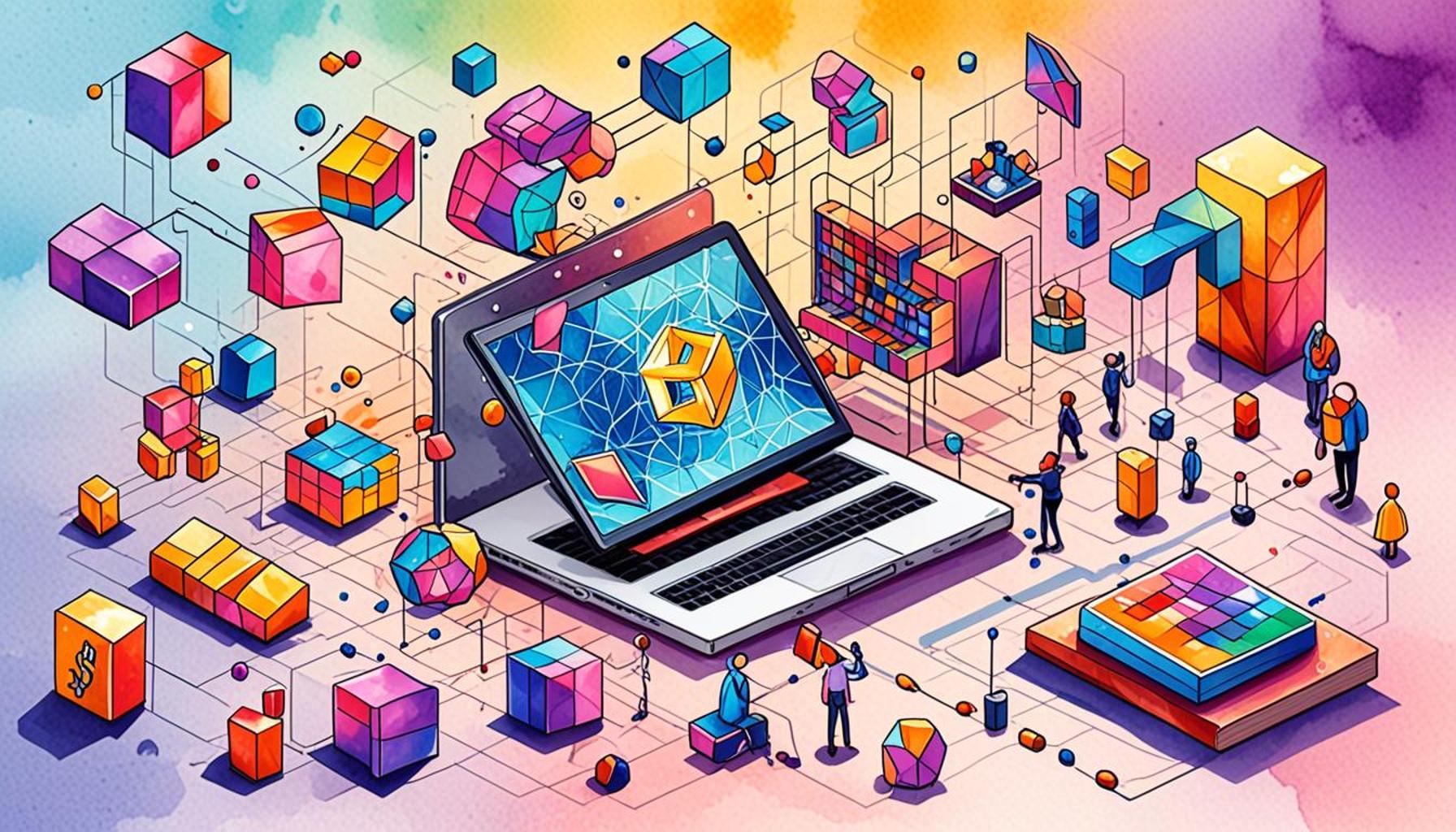
The Transformative Power of Blockchain in Digital Marketplaces
The rise of blockchain technology is not just a fleeting trend; it represents a fundamental shift in how digital transactions are conducted across the globe. In an era where trust is paramount, especially in online interactions, blockchain offers a revolutionary approach. With its decentralized architecture, blockchain is providing consumers and businesses with enhanced security, transparency, and efficiency in ways that were previously unattainable.
One of the standout features of blockchain is its enhanced security. Every transaction is not only encrypted but also linked to prior transactions through complex algorithms. This makes the possibility of fraud extraordinarily low, providing an unprecedented level of protection for both buyers and sellers. For instance, blockchain technology could serve as a bulwark against credit card fraud, which has become increasingly prevalent in the digital realm.
In addition to security, blockchain ensures increased transparency. All participants in a transaction can view and verify immutable records, which helps to build trust between parties. In the context of consumer goods, for example, buyers can trace the origin of products, confirming their authenticity and ethical sourcing. This is especially appealing to millennials and Generation Z, who are increasingly driven by values aligned with sustainability and ethical consumption.
Another significant aspect is the prospect of reduced costs. Traditional marketplaces often require intermediaries, such as banks or payment processors, which add fees and delays to transactions. Blockchain, by design, removes the need for these middlemen. Businesses utilizing blockchain for financial transactions have reported significant savings, allowing them to pass on those lower costs to consumers. For example, a coffee retailer might sell premium coffee sourced directly from farmers in Africa, bypassing import fees and middlemen, which enhances the profits for both parties.
Several noteworthy examples illustrate how blockchain is being adopted across various sectors. One prominent case is eBay and Bitcoin, where select sellers have begun to accept cryptocurrency payments, creating new avenues for customer engagement. Moreover, companies like Amazon are experimenting with blockchain in supply chain logistics, which allows for real-time tracking of products from manufacturer to consumer, enhancing efficiency and ultimately customer satisfaction.
In the real estate sector, innovative platforms are leveraging blockchain to streamline title transfers and transactions, resulting in quicker deals that save time for all parties involved. This can significantly accelerate the home-buying process, making it more accessible to a broader audience. Traditional methods involving paperwork, legal consultations, and verification can become cumbersome and lengthy. Blockchain’s application could greatly simplify these processes.
As blockchain technology continues to evolve, its impact on both established and emerging digital marketplaces will become increasingly pronounced. This article aims to unravel how blockchain transcends mere technological advancement, emerging as a core framework that shapes the future landscape of digital commerce. It is essential for consumers, business owners, and policymakers alike to explore the far-reaching implications of this technology in reshaping not just how, but why we transact.
The Increasing Relevance of Blockchain in E-Commerce
As digital marketplaces evolve, the integration of blockchain technology is becoming increasingly relevant. Blockchain provides a robust framework that not only enhances security but also transforms traditional e-commerce practices into more streamlined processes. The connection between blockchain and e-commerce is becoming clearer as businesses begin to embrace its transformative capabilities.
One key area where blockchain makes a profound impact is through smart contracts. These self-executing contracts with the terms of the agreement directly written into code can automate various aspects of transactions and ensure that all parties fulfill their commitments. For example, in a real estate transaction, a smart contract could automatically transfer ownership of a property once payment is verified, eliminating the need for intermediaries such as real estate agents and lawyers. This not only expedites the buying process but also minimizes potential disputes, providing peace of mind to both parties.
The shift towards blockchain-based marketplaces also empowers consumers to participate more fully in the commerce ecosystem. Platforms like OpenBazaar illustrate this by enabling users to trade goods and services directly without the need for a centralized authority. As a result, buyers and sellers can connect across the globe, fostering a more diverse and vibrant marketplace. This democratization of commerce is particularly appealing to small businesses and individual entrepreneurs who have long faced challenges competing against larger corporations.
Another compelling advantage of blockchain is its capacity to enhance customer loyalty programs. Companies are beginning to leverage blockchain to create digital tokens or cryptocurrencies that customers can earn through purchases and redeem for discounts or rewards. This not only incentivizes buying but also creates a transparent and secure ledger of customer activity. For instance, companies like Starbucks are exploring the integration of blockchain in their rewards programs, allowing customers to track their points seamlessly and securely.
Moreover, the power of blockchain extends into the realm of data privacy and ownership. As e-commerce becomes more data-driven, the concerns over personal information security have escalated. Blockchain gives users the ability to control their data by allowing them to share only what is necessary for a transaction while safeguarding their sensitive information. This shift empowers consumers to reclaim their online privacy and ensures that companies handle data responsibly, aligning with regulations like the General Data Protection Regulation (GDPR) in the European Union and the California Consumer Privacy Act (CCPA) in the United States.
While the benefits are clear, challenges remain. The technology is still in its infancy, and widespread adoption is hindered by a lack of understanding and technical limitations. However, as more businesses experiment with blockchain and its applications, consumers can expect to see a gradual but significant transformation in digital marketplaces. The potential for innovation is vast, and as the technology continues to mature, its role in reshaping e-commerce will undoubtedly be a topic worth watching closely.
| Advantage | Description |
|---|---|
| Enhanced Security | Blockchain technology offers unmatched security through decentralized ledger systems that are resistant to tampering and fraud. |
| Increased Transparency | By providing a public ledger, blockchain enhances trust, as all transactions are traceable and immutable, which is crucial for online marketplaces. |
| Lower Transaction Costs | Smart contracts on the blockchain can automate processes, reducing the need for intermediaries and subsequently lowering transaction fees for buyers and sellers. |
| Faster Transactions | Blockchain enables instantaneous transactions across borders, removing traditional banking delays and ensuring that users receive their payments quickly. |
Blockchain is increasingly becoming a cornerstone for digital marketplaces, offering unparalleled advantages that stand to revolutionize the sector. With each passing day, the potential of decentralization can be further explored, enhancing not just the efficiency of transactions but also paving the way for innovative business models. From enhanced data integrity to the possibility of empowering consumers through self-sovereign identities, blockchain seems to be rewriting the rules of engagement in the digital economy. This technology challenges the norm, encouraging stakeholders to rethink how they view trust and ownership in online interactions. The emergence of real-time auditing via blockchain could also increase operational efficiency, attracting those who seek transparency and accountability.
Enhancing Trust and Transparency in Transactions
At the core of blockchain technology is its ability to foster trust and transparency within digital marketplaces. Unlike traditional transaction methods that rely on centralized databases and intermediaries, blockchain operates on a distributed ledger system that records transactions across a network of computers. This decentralization not only increases data security but also allows for complete visibility into the transaction history, which is accessible to all parties involved.
For instance, in supply chain management, companies can leverage blockchain to track products from their origin to the end consumer. Firms like IBM and Walmart have pioneered initiatives that utilize blockchain to monitor food supply chains. By recording every step a product takes, consumers can access a detailed history of their purchases, which helps verify authenticity and location, thus building an unprecedented level of consumer confidence.
Moreover, this heightened transparency can significantly reduce fraud. In a marketplace where counterfeit products are a major concern, blockchain offers a viable solution. Luxury brands like LVMH have begun to explore blockchain technology to authenticate their products, ensuring that customers receive genuine goods rather than replicas. As reported, brands utilizing blockchain technology can trace the life cycle of a product and prove its authenticity through decentralized verification methods, providing peace of mind to discerning consumers.
The Role of Cryptocurrency in E-Commerce Transactions
Cryptocurrencies are another pivotal aspect of how blockchain is influencing digital marketplaces. By offering alternative payment methods, cryptocurrencies like Bitcoin and Ethereum allow users to transact without relying on traditional payment systems. This is especially beneficial for cross-border transactions, where blockchain can minimize exchange fees, streamline processes, and expedite transaction times.
For instance, companies like Overstock.com and Newegg have adopted cryptocurrencies as payment options, giving their customers more flexibility. With the added advantage of lower transaction costs and faster processing times, it’s no surprise that these platforms are charting new territory in how goods and services are sold online.
Decentralized Finance (DeFi) and its Impact on Marketplaces
The rise of decentralized finance (DeFi) is also creating ripples in digital marketplaces. By removing intermediaries such as banks and brokers, DeFi allows users to engage directly in financial transactions, lending, and trading. Platforms like Uniswap and Compound are redefining traditional financial services by offering users control over their assets, further promoting a do-it-yourself philosophy among consumers.
This transformation is significant for digital marketplaces since it permits sellers to leverage DeFi systems to secure loans or liquidity based on their inventory or sales history without relying on traditional credit systems. Such practices can uplift emerging entrepreneurs or smaller businesses that often face barriers to entry in conventional finance.
Challenges and Future Potential
While the benefits of blockchain in digital marketplaces are clear, the technology does have its hurdles. As scalability continues to be a concern, developers are racing to find solutions that improve speed and efficiency while keeping costs low. Additionally, regulatory uncertainties present challenges, especially as lawmakers grapple with how to govern these evolving technologies.
However, the pace of innovation in blockchain is relentless. As more stakeholders recognize its advantages, we can expect continuous advancements in how blockchain integrates within e-commerce, providing users with an increasingly seamless, secure, and efficient shopping experience. The future of digital marketplaces stands as a testament to the transformative power of blockchain technology, marking a new era of commerce driven by trust and decentralization.
Conclusion: The Future of Digital Marketplaces with Blockchain
In summary, the integration of blockchain technology into digital marketplaces is not merely a trend; it represents a seismic shift in how commerce is conducted. As we have explored, blockchain enhances transactional trust and transparency, enabling consumers to make informed purchasing decisions through verifiable product histories. The application of cryptocurrencies streamlines payments, particularly for international transactions, dismantling barriers and reducing costs for merchants and consumers alike.
The rise of decentralized finance (DeFi) is empowering businesses and entrepreneurs, allowing them to access financial tools directly, bypassing traditional funding challenges. This democratization holds the potential to level the playing field for startups and small businesses by providing new avenues for growth without the constraints of conventional financial institutions.
Nevertheless, challenges remain—scalability, regulatory scrutiny, and public awareness of this rapidly evolving technology are just a few. Yet, the response from innovators in the blockchain space indicates a fervent commitment to overcoming these obstacles, continuously enhancing efficiency and security.
As we look ahead, it is clear that blockchain will reshape the landscape of digital marketplaces in unprecedented ways. Consumers and businesses that embrace this technology stand to gain significantly in an increasingly competitive environment. This transformation calls for ongoing exploration and adaptation, promising a future where trust is inherent in every transaction, redefining the essence of e-commerce.
Related posts:
Unleashing AI Benefits in Hybrid Cloud Models for Enhanced Efficiency
Smart Chatbot Integration Transforming Business Efficiency Today
Future of AI in Digital Marketplaces Transforming Online Commerce
Social Commerce Growth Trends in Online Marketplaces 2023
Horizontal vs Vertical Marketplaces Key Differences Explained
How Digital Innovation Creates Competitive Advantage Key Insights