Marketplaces Transforming Global Commerce in a Globalized Era
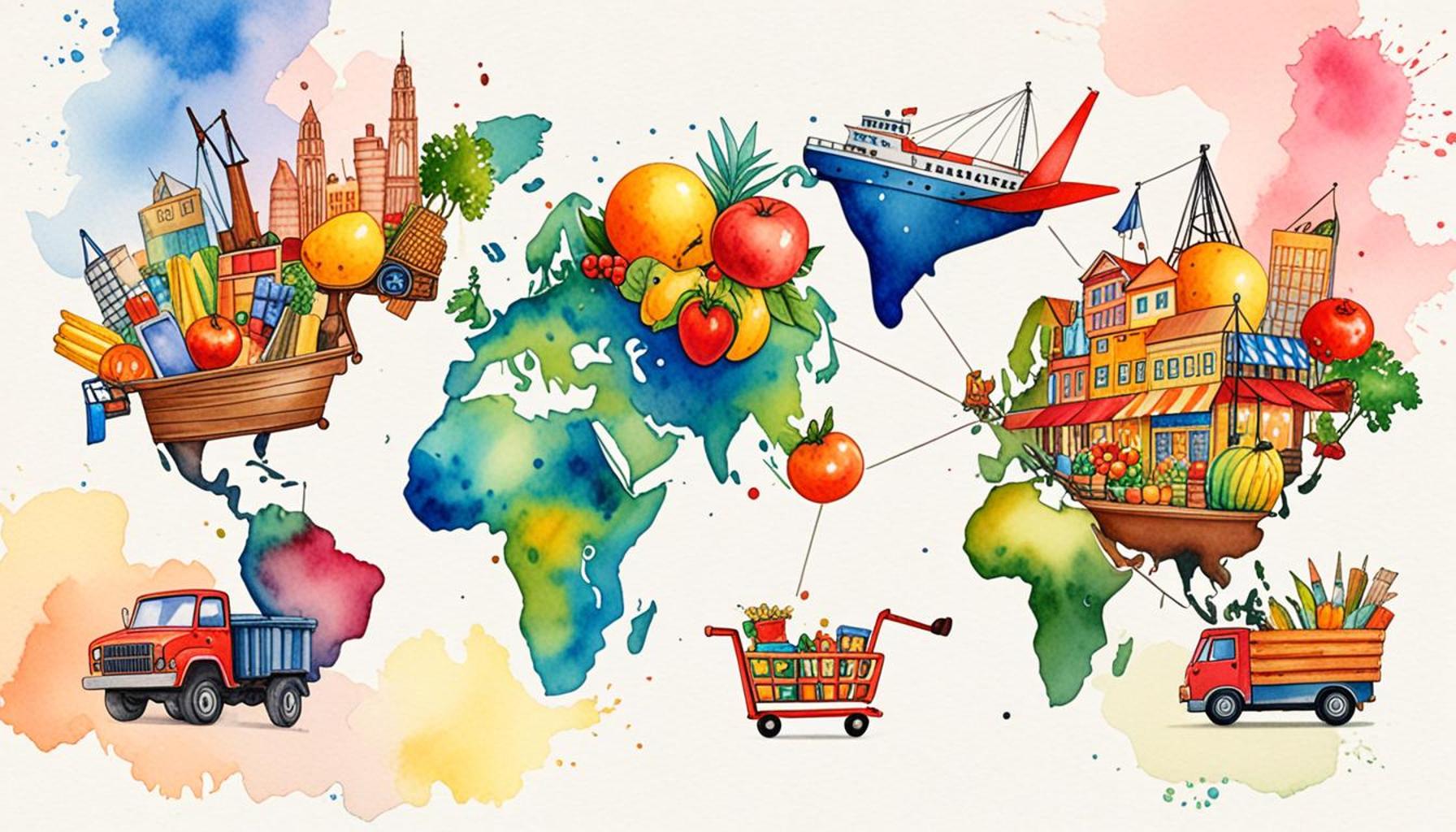
Understanding Marketplaces in Global Commerce
In today’s fast-paced digital world, marketplaces are redefining how businesses and consumers interact. These platforms are dismantling traditional barriers, creating vast opportunities for global trade. As a result, they are becoming pivotal players in the landscape of global commerce. The impact of online marketplaces extends far beyond mere transactions; they are reshaping the entire retail environment.
One of the standout characteristics of modern marketplaces is their Diverse Options. By offering products from various categories and regions, they enhance consumer choice in remarkable ways. For instance, a consumer sitting in New York can easily compare European fashion brands with local designers, all within a few clicks. This immense selection not only allows customers to find unique items that reflect their personal style but also supports smaller businesses and artisans who can showcase their offerings to a global audience.
An essential advantage of these platforms is their Accessibility. In stark contrast to traditional retail—where geographical limitations can severely restrict a seller’s reach—online marketplaces enable sellers from all corners of the globe to participate in international trade. For example, a small business based in a rural part of the United States can market its artisanal products to consumers in Asia or Europe, thereby tapping into markets that were previously unreachable. This democratization of commerce plays a crucial role in economic growth and cultural exchange.
The Technology-Driven nature of these platforms is another significant factor. By leveraging advancements in artificial intelligence and big data, marketplaces can Optimize user experiences and enhance sales strategies. Personalized recommendations, targeted advertising, and efficient inventory management systems are all powered by sophisticated algorithms that analyze consumer behavior. For example, when a shopper browses for hiking gear on a platform like Amazon, they might receive suggestions based on their previous purchases, thus creating a more engaging shopping experience.
Take, for instance, well-known platforms like Amazon, eBay, and Alibaba. These are not merely online stores; they function as robust ecosystems that connect millions of buyers and sellers globally, facilitating transactions that contribute significantly to the world economy. In 2022 alone, Amazon reported a staggering $469.8 billion in net sales, demonstrating the power these marketplaces wield on a global scale.
This transformation is fueled by shifting consumer behaviors and increasing connectivity. As digital literacy grows, consumers are more comfortable exploring international options, broadening their horizons for shopping and investing. The rise of mobile shopping apps has further accelerated this trend, allowing consumers to shop anywhere at any time. A recent survey revealed that over 50% of U.S. consumers have used their smartphones to shop online, highlighting the importance of mobile-friendly marketplaces.
In this article, we will delve deeper into how these marketplaces are shaping international commerce in a globalized era. Prepare to discover new insights into a marketplace revolution that is taking the globe by storm, influencing not only how we shop but also how we understand and engage with global economies.
SEE ALSO: Click here to read another article
The Influence of Marketplaces on Global Trade Dynamics
The rise of online marketplaces has significantly altered the landscape of global commerce, reshaping how businesses engage with consumers and each other. These platforms are not just facilitators of trade; they are redefining the way products and services move across borders, bringing a new level of efficiency and accessibility to international transactions.
One of the most transformative aspects of these marketplaces is their ability to foster cross-border trade. This phenomenon enables businesses to reach previously unattainable markets, bridging geographical divides and expanding their customer base exponentially. For example, cross-border e-commerce sales reached a staggering $4.8 trillion globally in 2021, illustrating the demand for international shopping experiences. This surge can be attributed to platforms that allow American consumers to buy from sellers across the globe, easily bringing together products that were once confined to local markets.
Moreover, marketplaces play a pivotal role in overcoming hurdles associated with international shipping and logistics. Advanced features such as real-time tracking, simplified payment options, and customer support services tailored to various time zones have greatly enhanced the purchasing experience. Consumers now enjoy a level of convenience that includes knowing exactly when their packages will arrive—something that traditional shopping avenues couldn’t offer. According to data from the U.S. Department of Commerce, over 40% of online shoppers who purchased from international sellers reported a more satisfactory shopping experience compared to local purchases.
Additionally, the accessibility provided by these online platforms grants a much-needed voice to small and medium-sized enterprises (SMEs). Traditional retail often favors large corporations with established supply chains and marketing budgets. However, platforms such as Etsy, Shopify, and Amazon Marketplace enable smaller businesses to compete on a more level playing field. Here are a few reasons why SMEs thrive in this environment:
- Reduced Overhead Costs: Selling online bypasses many of the costs associated with physical stores.
- Wider Audience Reach: Sellers can promote their products globally without the need for extensive marketing campaigns.
- Access to Analytics: Marketplaces provide insightful data that help sellers understand customer preferences and adjust strategies accordingly.
Furthermore, the innovations brought about by online marketplaces also encourage collaboration between businesses. Partnerships between wholesalers and retailers to streamline inventory management and shipping processes have emerged, creating a more cohesive supply chain that benefits everyone involved. Such collaboration not only enhances efficiency but also leads to better pricing strategies that ultimately benefit consumers.
As we look to the future, it is clear that online marketplaces will continue to play a critical role in the evolution of global commerce. Techniques such as augmented reality for product visualization and AI-driven customer support are early indicators of how these platforms are poised to further enhance the shopping experience. The ability to connect consumers and businesses across vast distances will help spark not just regional economic growth, but also foster cultural exchange and understanding.
In the next section, we will explore how marketplaces are influencing **consumer behavior**, shaping expectations, and driving demand in this globalized economy.
| Advantage | Description |
|---|---|
| Access to Global Markets | Marketplaces allow small businesses and entrepreneurs to reach a worldwide audience, breaking traditional barriers and enabling transactions that were once limited to local or national borders. |
| Cost Efficiency | Platforms reduce overhead costs associated with physical stores, providing opportunities for lower prices and increased profit margins, which is appealing for both buyers and sellers. |
| Data-Driven Insights | Marketplaces provide extensive analytics on consumer behavior, allowing businesses to adjust their strategies effectively, optimize product offerings, and enhance customer experience. |
| Flexibility and Scalability | Businesses can easily scale up or down in response to market demand, enabling them to remain competitive in dynamic environments, especially in a globalized marketplace. |
In this era of globalization, marketplaces are reshaping the very fabric of commerce, promoting a blend of accessibility, affordability, and personalized experiences. Entrepreneurs can leverage these platforms to diversify their product catalogs while entering new regions without the constraints imposed by traditional retail models. The adaptability of these digital channels fosters innovation and encourages a rapid cycle of feedback and improvement. Emerging markets, in particular, are benefiting greatly from the possibilities that marketplaces unlock, enabling local artisans and entrepreneurs to showcase their goods globally. This dynamic transformation not only empowers individuals but also catalyzes economic growth across borders, emphasizing the need for further exploration into this vibrant sector of global commerce.
SEE ALSO: Click here to read another article
Shaping Consumer Behavior in a Globalized Marketplace
As online marketplaces continue to flourish, their influence extends beyond just facilitating transactions; they are actively reshaping consumer behavior and expectations in profound ways. The convenience of shopping from home, coupled with the vast selection of products available at a click, has significantly transformed how consumers perceive value and quality. In today’s market, consumers have become accustomed to the idea of instant gratification; they expect not only rapid delivery but also seamless service across multiple platforms.
A pivotal factor driving this shift is the prevalence of user-generated content, such as reviews and ratings, which play a vital role in consumer decision-making. Platforms like Amazon have embedded these features into their user interface, providing potential buyers with access to honest feedback on products. Research indicates that over 70% of consumers read reviews before making a purchase, underscoring the significance of social proof in shaping buying decisions. As consumers increasingly seek authenticity, businesses are prompted to engage more transparently, ensuring the quality of their products is maintained.
Furthermore, the rise of social media integration within these marketplaces has introduced a new paradigm in online shopping. Companies use platforms like Instagram and TikTok not only for advertising but also for direct sales through “shoppable posts.” This blurring of lines between content creation and commerce captures the attention of a younger demographic who prefer engaging with brands in a more interactive manner. According to recent data, nearly 50% of Gen Z consumers express a preference for shopping via social media, indicating a fundamental shift toward platforms that foster connectivity and personalization.
Another emerging trend is the growing emphasis on sustainability concerns among consumers. Global marketplaces are responding by prioritizing eco-friendly products and ethical brands. A recent survey revealed that approximately 66% of global consumers are willing to pay more for sustainable products, pushing companies to innovate and adopt greener practices to meet market demands. Marketplaces such as ThredUp and Poshmark, which revolve around second-hand goods, capitalize on this trend by offering consumers sustainable alternatives that not only satisfy their purchasing desires but also contribute to environmental efforts.
The evolution of payment methods within these marketplaces also reflects changing consumer preferences. Traditional payment options are rapidly being overshadowed by digital wallets and cryptocurrency transactions. As of 2023, nearly 25% of online shoppers have made purchases using digital wallets, spurred by the convenience and security they offer. This shift not only illustrates a growing comfort with technology but also presents a challenge for businesses to stay abreast of evolving transactional trends to cater to a diverse clientele.
Finally, the concept of personalization in shopping is reaching new heights. Many online marketplaces employ sophisticated algorithms that analyze consumer behavior to tailor recommendations, making the shopping experience feel uniquely curated. By doing so, they elevate customer satisfaction and encourage repeat purchases, thereby generating another cycle of loyalty and engagement.
As we delve deeper into the impacts of marketplaces on the global economy, we must consider their role as agents of change, influencing how consumers perceive and interact with brands. Their capacity to transform expectations and drive demand will undoubtedly define the future landscape of the global marketplace.
CHECK OUT: Click here to explore more
Conclusion: The Future of Marketplaces in Global Commerce
As we navigate through this globalized era, the impact of online marketplaces extends far beyond mere transactions. They are catalysts for cultural exchange, shaping consumer behavior and preferences on an unprecedented scale. With vast product selections and strategies tailored to enhance the shopping experience, these platforms not only meet the demand for instant gratification but also redefine the standards of customer engagement.
The integration of social media into the shopping experience exemplifies this transformation, enabling brands to interact directly with younger consumers who seek authentic connections. This shift toward social commerce and the demand for personalization signal a not-so-distant future where individualized experiences become the norm. Additionally, as the emphasis on sustainability continues to grow, marketplaces that prioritize ethical brands and eco-friendly offerings will likely gain a competitive edge. It is becoming increasingly clear that consumers are not just seeking products, but also a sense of purpose behind their purchases.
Furthermore, the evolution of payment methods reflects a broader trend toward digital innovation, aligning with consumer preferences for security and convenience. With emerging technologies such as cryptocurrencies and digital wallets on the rise, businesses must adapt quickly to stay relevant in this rapidly shifting landscape. The necessity for transparency and accountability will only intensify as consumers demand more from their purchasing experiences.
In conclusion, the role of online marketplaces in shaping global commerce is profound and multifaceted. By effectively responding to consumer expectations and societal changes, these platforms will not only continue to thrive but also redefine the very nature of commerce across the globe. As we look to the future, understanding and adapting to these trends will be paramount for businesses seeking success in an increasingly interconnected world.
Related posts:
Top Cloud Solution Providers Key Differences and Benefits Explained
How AI is Transforming the Consumer Experience at Shein
How Small Businesses Can Embrace AI Solutions for Growth
The Influence of AI Integration on Shein's Marketing Strategies
AI Integration with Cloud Solutions Revolutionizing Modern Tech
Generative AI Revolutionizing the Future of Digital Content Creation