The Future of Virtual Fashion Shows: Shein’s Experimentation with Digital Runways
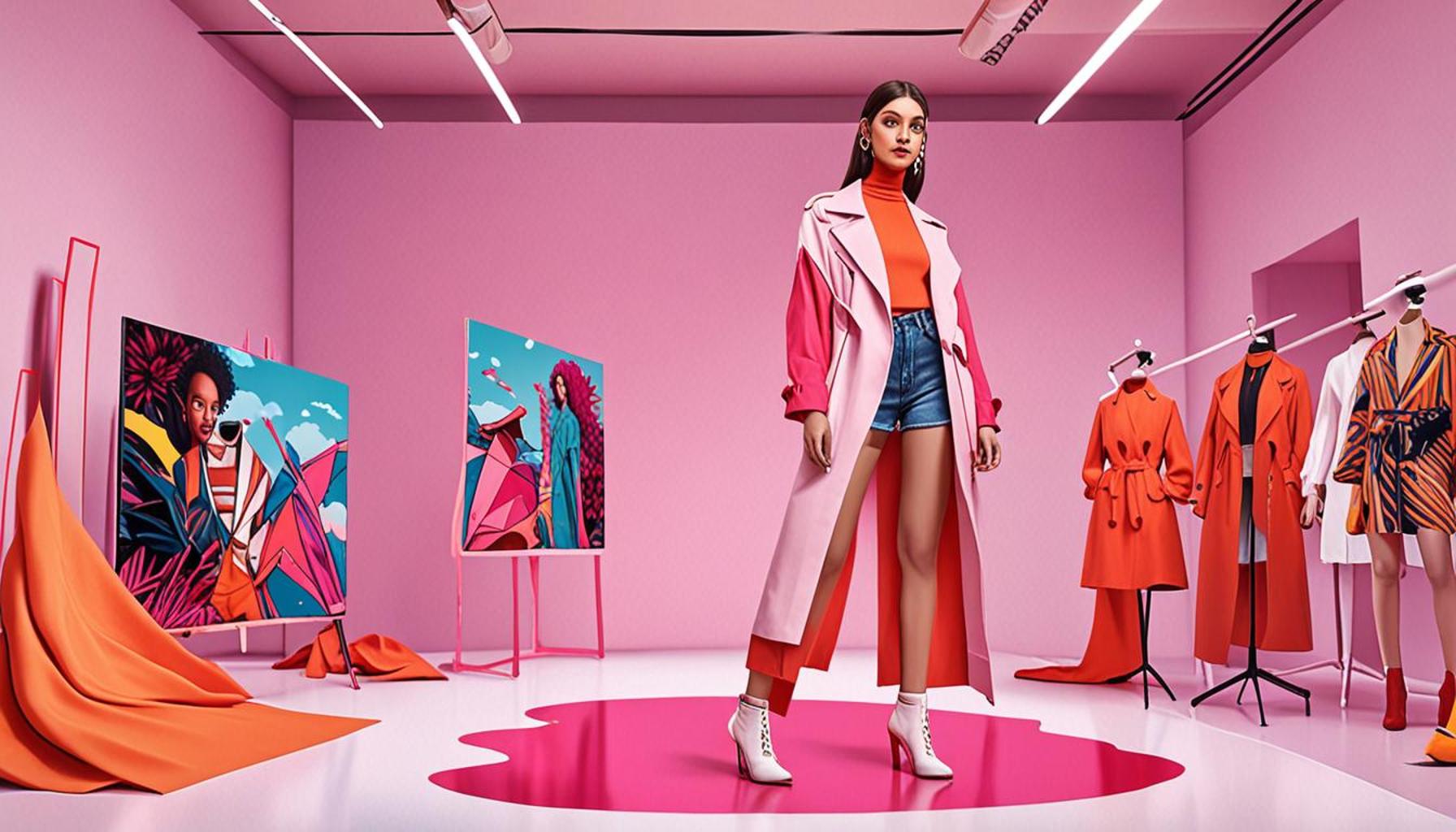
The landscape of fashion is transforming at a remarkable pace, carving new paths for creativity and engagement in the industry. This transformation is most notably reflected in the rise of virtual fashion shows, a groundbreaking alternative to traditional runway presentations. With changing consumer behaviors and heightened emphasis on technological integration, brands are rethinking how they showcase their collections. At the forefront of this revolution is Shein, a globally recognized fast-fashion giant that is redefining the fashion event experience.
What Makes Virtual Fashion Shows Unique?
Virtual fashion events bring a multitude of distinct advantages that set them apart from their traditional counterparts. One of the most significant benefits is broader accessibility. Fashion enthusiasts from every corner of the globe can participate in these digital showcases without worrying about travel expenses or geographical limitations. This democratization of fashion allows a diverse audience to experience design innovation and creativity like never before.
Additionally, these virtual formats offer remarkable cost efficiency. For fashion brands, the financial burden associated with physical shows—such as venue rentals, elaborate sets, and transportation—can be substantial. By adopting a virtual platform, brands can redirect resources towards more creative aspects of their collections, ensuring a more polished final product.
Furthermore, the interactivity that virtual fashion shows provide is revolutionizing audience engagement. Viewers can explore designs from multiple angles, interact with models, and sometimes even participate in live Q&A sessions with designers. This immersive experience enhances audience investment in the brand and increases the likelihood of purchases, as customers feel more connected to the products.
Shein has taken bold steps to capitalize on these advantages by weaving in cutting-edge technology into their fashion showcases. Their recent experiments aim to enhance viewer experience through the use of augmented reality and 3D technology, allowing consumers to visualize how garments could fit and look in real life. Moreover, they are striving to promote sustainability by reducing waste associated with traditional fashion events, which often produce excess inventory and materials that ultimately contribute to environmental degradation.
By focusing on these innovative elements, Shein is strategically positioned to reach younger audiences. Gen Z and millennial consumers, who are digital natives and passionate about sustainability, find greater appeal in brands that acknowledge and cater to their preferences. As we delve deeper into this topic, we will uncover how Shein’s initiatives not only shape the future of virtual fashion but also influence broader trends across the industry, steering the world of fashion towards a more inclusive and environmentally conscious future.
DISCOVER MORE: Click here to learn about the advantages of AI in business
The Innovative Elements of Shein’s Virtual Runways
As brands pivot towards virtual fashion shows, Shein is not just embracing this trend; it is actively shaping it. The company’s approach to digital runways integrates several innovative elements that enrich the viewer experience while enhancing brand identity. With consumer preferences rapidly shifting, particularly among younger demographics, Shein’s commitment to exploring the limits of technology is significant for the future of fashion.
One of the critical features that has garnered attention in Shein’s virtual showcases is the use of augmented reality (AR). This technology enables viewers to interact with clothing items in a simulated environment, providing a vivid representation of how garments would look and fit in real life. As audiences are given the ability to “try on” pieces virtually, the likelihood of conversion increases, making the shopping experience not only interactive but also personalized.
Additionally, Shein has introduced cutting-edge 3D modeling techniques to showcase their collections. Rather than relying solely on traditional photography, these digital renderings offer a dynamic perspective, allowing viewers to appreciate textures, patterns, and movement. This technique can fundamentally change how consumers perceive fashion, encouraging them to envision themselves wearing the designs displayed.
In an effort to stand out in the increasingly crowded digital space, Shein has also incorporated live streaming into its fashion shows. This platform creates a sense of urgency for consumers, as they watch the unveiling of new collections in real-time. Furthermore, the interactive chat features enable viewers to engage directly with hosts and other participants. This level of engagement not only promotes the collections but also builds a community around the brand.
Moreover, Shein’s focus on sustainability resonates well with today’s eco-conscious consumers. By minimizing the need for physical runways, the brand reduces the carbon footprint normally associated with traditional fashion shows. The decision to streamline events significantly contributes to limiting waste, aligning with global efforts toward more sustainable practices. In fact, according to a report by the Fashion Sustainability and Social Accountability (FSSA), the fashion industry is responsible for approximately 10% of global carbon emissions. Shein’s pivot towards virtual showcases is therefore not just a marketing strategy; it represents a commitment to reducing their environmental impact.
The Path Forward for Virtual Fashion
As Shein continues to evolve its approach to virtual fashion shows, it sets the stage for others to follow suit. The adoption of innovative technologies and strategies helps them not only to capture the attention of fashion enthusiasts but also to redefine consumer interactions in the fashion world. The burgeoning trend of virtual fashion shows is likely to encourage brands to explore more diverse and inclusive ways to engage with audiences while simultaneously addressing sustainability issues.
In conclusion, Shein’s pioneering efforts in the realm of virtual fashion shows signify a significant shift in the industry. The blend of technology, interactivity, and sustainability exemplifies how brands can adapt to modern consumer demands. As we observe their journey, the implications for the future of fashion appear both exciting and transformative.
The Benefits of Shein’s Digital Runway Innovations
In the ever-evolving landscape of fashion, Shein’s experimentation with digital runways is a significant leap forward. By leveraging technology, the brand not only addresses the growing demand for sustainability but also sets the stage for a transformed consumer experience. One of the most striking advantages of Shein’s virtual fashion shows is the broader accessibility they offer. Unlike traditional runway shows that are often exclusive events, digital platforms allow anyone with an internet connection to partake, expanding the audience reach exponentially. This democratization of fashion showcases diverse styles and trends to a global audience, breaking geographical barriers.Moreover, these digital formats pave the way for interactive consumer engagement. Viewers can shop the looks directly during or after shows, leading to a seamless connection between viewing and purchasing. This real-time shopping experience not only enhances user engagement but also promotes impulse buying, a trend that has shown remarkable success in the e-commerce sector.Furthermore, Shein’s innovative approach allows for cost-effective production. By creating digital garments instead of physical ones, the brand minimizes waste and reduces the carbon footprint associated with traditional fashion shows, aligning with the increasing consumer demand for eco-friendly practices. As Shein continues to experiment with this digital format, it opens doors for other fashion brands to explore similar technologies. The integration of augmented reality and virtual reality can further enhance the shopping experience, making it immersive and engaging. The future of fashion truly lies in the digital realm, where creativity knows no bounds, and consumers are at the forefront of trendsetting. To further understand the evolving landscape of virtual fashion shows, the following table summarizes the key advantages and benefits of Shein’s digital runway experimentation.
| Category | Key Features |
|---|---|
| Global Accessibility | Virtual shows can be accessed by anyone, anywhere, breaking location barriers. |
| Interactive Features | Allows for real-time shopping and engagement with the audience. |
| Sustainable Production | Minimizes waste and environmentally harmful practices associated with traditional fashion shows. |
DISCOVER MORE: Click here to learn how to leverage AI for growth
Expanding Horizons: Collaboration and Personalization in Virtual Fashion
As Shein navigates the landscape of virtual fashion shows, another vital aspect that sets it apart is the focus on collaboration with influencers and designers. By partnering with emerging talents and established names in the industry, Shein enhances its digital showcases with diverse perspectives and aesthetics. These collaborations are not merely promotional; they provide audiences with a broad spectrum of style and appeal. By incorporating unique narratives and personal stories from these collaborators, Shein not only enriches the fashion experience but also fosters a deeper connection with its audience.
Additionally, Shein’s emphasis on personalization within its virtual fashion shows deserves attention. By utilizing data analytics and consumer insights, the brand tailors its content to resonate with specific audience segments. For instance, through targeted advertising and personalized notifications during live streams, Shein ensures that viewers are aware of items that align with their tastes. This ability to create a curated experience greatly enhances customer engagement, making them feel uniquely connected to the brand.
The tech-savvy nature of Shein’s audience allows for innovative features such as virtual reality (VR)</strong) environments, which take the experience a step further. Imagine stepping into a virtual world where one can stroll down a runway, surrounded by digital avatars showcasing garments. This immersive experience adds an element of excitement and exclusivity, signaling the potential of VR technology in the fashion realm.
Real-Time Analytics: A Game Changer for Fashion Marketing
Equally important is Shein’s access to real-time analytics during these virtual showcases. By immediately gathering data on viewer engagement, preferences, and purchasing behavior, Shein is equipped to make informed decisions that directly influence their marketing strategy. Such insights allow for quick adjustments in showcasing items—those that receive a higher degree of interest or engagement can be prioritized in subsequent presentations. This data-driven approach not only maximizes sales potential but also illustrates how digital runways can serve as testing grounds for fashion trends.
Moreover, the concept of on-demand fashion is emerging as a critical outcome of virtual fashion shows. Brands can assess real-time interest in specific designs and produce items based on demand rather than traditional seasonal cycles. This shift could revolutionize inventory management, drastically reducing waste and allowing for a more agile response to changing market preferences.
The future of virtual fashion shows, as exemplified by Shein, extends beyond mere presentations of collections. It embodies a holistic ecosystem, bridging the gap between consumer preferences, sustainable practices, and innovative technology. As more brands begin to understand and implement these advanced methods, the virtual fashion landscape is poised for significant transformation.
By redefining consumer interaction and experience through collaboration, personalization, and data-driven marketing, Shein not only positions itself as a leader in digital fashion but also sets a precedent for what the future might look like for the industry as a whole. In this rapidly evolving environment, the fusion of technology and fashion presents limitless possibilities for brands willing to innovate. With Shein leading the charge, the runway of tomorrow may look quite different than it does today.
DIVE DEEPER: Click here to discover the latest trends and innovations
Conclusion: A New Era in Fashion Innovation
The advent of virtual fashion shows marks a transformative chapter in the fashion industry, with Shein at the helm of this evolution. By embracing collaboration with diverse creative minds and prioritizing personalization through data analytics, Shein showcases the power of technology in enhancing consumer engagement. The integration of virtual reality provides audiences with immersive experiences that blend entertainment with commerce, allowing them to connect with fashion like never before.
Moreover, the ability to leverage real-time analytics not only streamlines marketing strategies but also enables brands to make informed decisions about inventory based on consumer interest. This agile approach prompts a shift towards on-demand fashion, reducing waste while also catering to the evolving tastes of shoppers. The implications for sustainability and inventory management could be profound, as fashion companies reassess traditional methods in favor of a more responsive model.
As the capstone of this transformation, Shein has set a precedent for what the future of virtual fashion shows could look like. The potential for innovation is boundless, extending far beyond the confines of conventional runway presentations. With technology driving the next wave of fashion, brands that harness these advancements will likely lead the way into a new era. As audiences eagerly await the next digital showcase, one thing is clear: the future of fashion is not just in fabrics and designs, but also in the seamless integration of technology that fosters deeper connections between consumers and creators.
Related posts:
Sustainability in Fast Fashion: How Shein is Leveraging Digital Innovation
How Companies Can Speed Up Digital Innovation Key Strategies
Augmented Reality Driving Force Behind Digital Innovation
The Influence of User-Generated Content on Shein's Digital Marketing Strategy
Shein Reviews Tips to Identify Genuine Buyer Feedback Effectively
Emerging Automation Trends in Corporate Environments for 2024