The Integration of AI in Shein’s Logistics: Optimizing Supply Chains
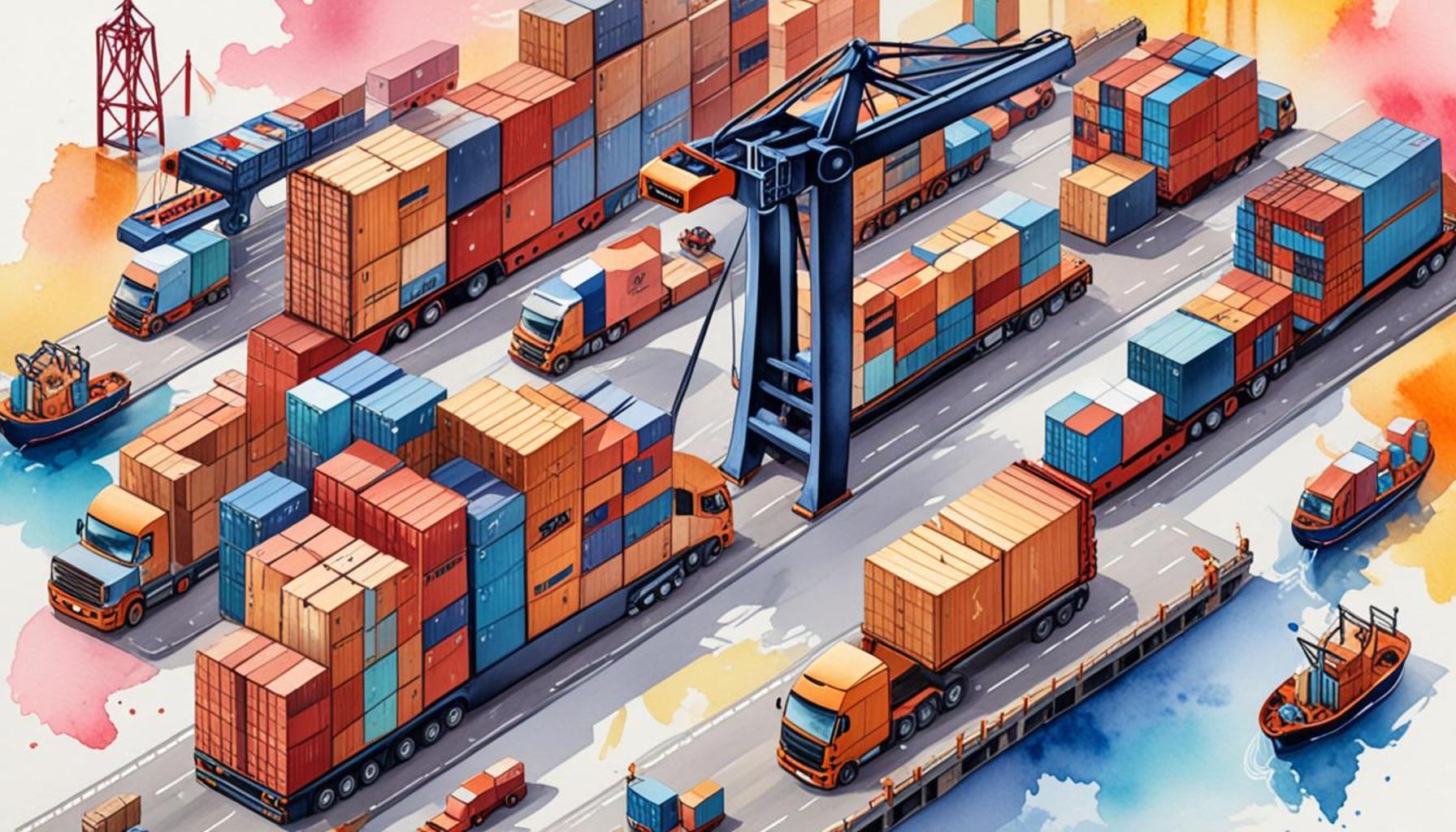
The Future of Fashion Logistics
In today’s fast-paced retail landscape, companies are facing immense pressure to deliver products quickly and efficiently. Shein, a rapidly growing fashion retailer known for its impressive turnaround on trendy clothing, is at the forefront of this evolution. By integrating artificial intelligence (AI) into its logistics, Shein is redefining how supply chains operate, positioning itself not just as a fashion leader but also as an innovator in logistics management.
Key Benefits of AI Integration
The adoption of AI in Shein’s logistics brings a myriad of advantages, including:
- Enhanced Demand Forecasting: AI technologies analyze vast amounts of data—from social media trends to historical sales figures—to predict product demand more accurately. For example, using AI, Shein can identify patterns that suggest spikes in demand for certain styles or sizes well ahead of time, enabling proactive manufacturing and supply chain adjustments.
- Optimized Inventory Management: Through AI algorithms, Shein’s system enables real-time tracking of inventory levels. This capability reduces the likelihood of overstock scenarios that can lead to markdowns and increases the agility needed to respond to stockouts, thus maximizing sales opportunities.
- Streamlined Distribution Processes: Automated systems facilitate efficient routing and delivery. For instance, with AI, Shein can optimize its shipping routes, thereby decreasing delivery times to customers, which is essential in an era where consumers expect almost instant gratification.
Transforming Supply Chains
As Shein leverages AI capabilities, traditional supply chains are undergoing a remarkable transformation. The use of advanced analytics allows for:
- Personalized Shopping Experiences: Advanced algorithms analyze individual customer behaviors and preferences, enabling Shein to offer personalized recommendations and targeted promotions that enhance user engagement and satisfaction.
- Efficient Resource Allocation: By integrating AI into logistics, Shein can allocate resources more efficiently, minimizing waste and thereby translating into significant cost savings. This strategic allocation is particularly critical as environmental concerns continue to dictate consumer choices.
- Improved Responsiveness: AI equips Shein with tools to quickly adapt to market changes and shifts in consumer demands. The ability to act swiftly allows Shein to stay ahead of competitors in the rapidly evolving fashion market.
This integration is not just about keeping pace with competition; it represents a strategic shift toward a more agile and sustainable future in logistics. As Shein stands as a model of innovation, industry stakeholders are prompted to reconsider their approaches to supply chain management. As readers delve deeper into Shein’s strategies, they will uncover how these technologies are setting new standards in the retail industry, influencing not only how products are delivered but also how brands interact with consumers in a dynamic marketplace.
DIVE DEEPER: Click here to discover the differences
Revolutionizing Logistics through Artificial Intelligence
As the fashion industry adapts to ever-evolving consumer tastes, Shein has emerged as a key player not only in design and retail but also in logistics innovation. The integration of artificial intelligence (AI) into Shein’s supply chain has unlocked numerous capabilities that allow the company to stay ahead of the curve, ensuring that trendy items reach consumers in record time. By harnessing AI, Shein is not just optimizing its logistics but also redefining industry standards for speed and efficiency.
The Role of Predictive Analytics in Supply Chain Decisions
One of the most significant contributions of AI to Shein’s logistics is its ability to utilize predictive analytics. This technology plays a crucial role in decision-making processes by analyzing data trends from various sources, including:
- Market Trends: AI examines social media engagement, fashion trends, and influencer activity to forecast which styles will be popular. This real-time insight enables Shein to pivot quickly and adjust production schedules accordingly.
- Customer Behavior: By understanding purchasing patterns through machine learning algorithms, Shein can tailor its inventory to meet the specific demands of different demographics, maximizing potential sales.
- Seasonal Fluctuations: AI algorithms predict seasonal trends based on historical sales data, helping Shein align its stock levels to meet customer expectations during peak shopping periods.
With such analytical capability, Shein can precisely forecast demand, significantly minimizing the risk of overproduction or stock shortages, which historically plagued the fashion industry.
AI-Driven Automation: Enhancing Operational Efficiency
Another pillar of AI integration in Shein’s logistics is automation, which enhances operational efficiency across the supply chain. Through the use of robotics and automated systems, Shein can streamline various logistics operations, such as:
- Order Fulfillment: AI-driven systems facilitate rapid and accurate order processing, ensuring that customers receive their products with minimal delays. Automated picking systems can retrieve and pack items faster than manual processes, highlighting a new level of efficiency.
- Route Optimization: AI algorithms analyze traffic patterns and weather conditions to determine the best delivery routes, reducing shipping times and transportation costs significantly. This is particularly important in the United States, where timely delivery has become a competitive advantage in the retail sector.
- Returns Management: AI-enhanced systems help manage returns more effectively by identifying patterns in product returns and enabling proactive measures, such as quality control and improved size guides.
These advancements not only streamline logistics processes but also improve overall customer satisfaction, which is critical in an age where consumers expect swift and seamless shopping experiences.
In a landscape characterized by rapid technological changes, Shein’s use of AI in logistics sets a new benchmark for efficiency and responsiveness. As other retailers look to Shein for inspiration, the integration of artificial intelligence is poised to become a standard practice, reshaping the future of fashion logistics.
The Integration of AI in Shein’s Logistics: Optimizing Supply Chains
As the retail landscape shifts toward a more digital-centric approach, Shein has emerged as a frontrunner in the fast fashion industry, primarily due to its strategic adoption of artificial intelligence (AI). This integration not only streamlines operations but also revolutionizes the way supply chains function. With machine learning algorithms, Shein can effectively predict consumer demand, guiding inventory management to ensure optimal stock levels. In a sector known for its rapid trends and changing consumer preferences, this precision allows Shein to stay ahead of its competitors.
Moreover, AI aides in automating various logistics processes, from warehousing to shipping. Advanced algorithms analyze real-time data, enabling Shein to pinpoint inefficiencies and optimize delivery routes. This not only reduces costs but also ensures timely product delivery, enhancing customer satisfaction. By utilizing AI-driven tools, Shein can adapt to global supply chain challenges, responding swiftly to disruptions caused by geopolitical events or natural disasters.
In essence, the fusion of AI with logistics provides Shein a powerful framework to enhance its operational efficiency, ultimately leading to better resource management and improved customer experiences. As they continue to refine these technologies, other retailers may look towards their model as a blueprint for modern supply chain management.
| Advantages | Description |
|---|---|
| Predictive Analytics | AI enables better forecasting of trends and consumer demand. |
| Efficient Logistics | Optimizes delivery routes, reducing shipping time and costs. |
Shein’s innovative approaches not only demonstrate the power of technology in enhancing supply chain logistics but also highlight a crucial shift towards data-driven decision-making within the retail sector. This ongoing evolution lays the groundwork for future advancements, securing Shein’s position in an increasingly competitive market.
DIVE DEEPER: Click here to learn more
Transforming Inventory Management with AI Solutions
Inventory management is a critical element in retail logistics, and Shein leverages artificial intelligence to fine-tune this aspect of its supply chain. By employing advanced algorithms, Shein can maintain optimal inventory levels that align closely with real-time demand, thereby further minimizing waste and increasing profitability. The technology enables the forecasting of inventory needs with greater accuracy, addressing challenges that have historically limited flexibility in the fast-paced world of fashion retail.
Dynamic Inventory Tracking and Management
Through AI, Shein can monitor inventory levels across multiple warehouses and retail locations in real-time. This dynamic inventory tracking allows for smarter redistribution of stock between locations based on current demand signals. For example, if a particular design trends in New York City due to a pop-up event or social media buzz, Shein can identify the need to allocate more inventory there almost instantaneously. The benefits of this proactive approach include:
- Reduced Holding Costs: By ensuring that the right products are stocked in the right locations, Shein minimizes the expense associated with excess inventory, leading to improved margins.
- Increased Responsiveness: Fast-moving trends require swift responses, which Shein achieves through AI-enabled management systems that adapt to consumer demand as it evolves.
- Enhanced Product Lifecycle Management: AI helps Shein analyze product performance over time, enabling smarter decisions regarding when to discount items or phase them out, thus optimizing every stage of the inventory cycle.
Data-Driven Supplier Collaboration
The integration of AI in Shein’s logistics also enhances collaboration with suppliers, thereby strengthening the overall supply chain. AI tools facilitate better communication and information sharing between Shein and its suppliers, allowing for a more responsive production process. Key aspects include:
- Supplier Performance Analytics: By analyzing supplier data, Shein can identify strengths and weaknesses, thereby negotiating better terms or selecting the most reliable partners for specific items.
- Order Scheduling Optimization: Based on predictive analytics, Shein can schedule orders with suppliers to align with expected sales volumes, minimizing wait times and ensuring that trends are met before they fade.
- Quality Assurance: Machine learning models can flag potential production issues based on historical data, enabling Shein to implement corrective actions before problems impact customer satisfaction.
This shift toward a data-driven supplier collaboration not only optimizes logistics but also creates a more harmonious relationship with partners across the supply chain. As such, other retailers observing Shein’s innovative approach may soon find themselves pressured to adapt or risk being left behind in the fast-paced world of fashion logistics.
Advanced Customer Engagement through AI
AI not only optimizes the logistics aspect but also enhances customer engagement strategies within Shein’s supply chain. Consumer behavior analysis enables the company to craft tailored shopping experiences that resonate with individual preferences, from personalized recommendations to custom marketing strategies. This personalized approach cultivates brand loyalty among customers and strengthens Shein’s market position. For retailers in the U.S. market, the implications of such customer-focused AI applications are profound:
- Increased Conversion Rates: Personalized product recommendations lead to higher purchase likelihoods, highlighting the importance of AI in converting engagement into sales.
- Tailored Marketing Campaigns: AI analyzes customer interactions to inform targeted marketing efforts, thereby improving engagement and retention rates among various demographic segments.
- Enhanced Customer Support: Chatbots powered by AI can efficiently handle customer inquiries and issues, improving service levels and satisfaction without overwhelming human resources.
The integration of AI into Shein’s logistics is revolutionizing not only planning and execution but also reshaping how the company engages with its customer base. In an environment where speed and personalization have become paramount, Shein positions itself to set new benchmarks that could redefine industry norms across the board.
DIVE DEEPER: Click here to learn how AI is shaping the future
Conclusion
The integration of artificial intelligence in Shein’s logistics marks a significant leap forward in the optimization of supply chains, setting a new standard for the retail industry. By embracing advanced technologies, Shein has not only enhanced its inventory management capabilities but also fostered dynamic supplier relationships and elevated customer engagement. This multifaceted approach highlights the importance of data-driven decision-making in realizing greater efficiency and responsiveness within the fast-paced fashion market.
As consumers demand speed, personalization, and quality, Shein’s use of AI to analyze real-time data and consumer behavior positions it ahead of the curve. Through improved inventory tracking, strategic supplier collaboration, and tailored marketing efforts, Shein can swiftly adapt to emerging trends, minimizing response times and maximizing customer satisfaction. These innovations do not merely represent operational improvements; they are essential to maintaining competitive advantage in a rapidly evolving industry.
Looking forward, the implications of Shein’s AI-driven logistics extend beyond its own operations and present a call to action for other retailers, particularly in the U.S. As businesses observe the tangible benefits of Shein’s approach, the pressure to adopt similar technologies will intensify. In a market where staying relevant hinges on embracing technology, Shein’s evolving tactics offer valuable lessons for retailers seeking to thrive in the age of digital transformation.
In conclusion, as AI continues to evolve, its role in optimizing logistics will likely expand, prompting retailers to rethink their strategies. Shein’s forward-thinking integration of these technologies exemplifies a model that many will strive to emulate, ultimately reshaping the future landscape of retail logistics.
Related posts:
AI Benefits in Business Processes Boost Corporate Performance
Maximize Your Shein Wishlist Tips to Save and Organize Favorite Items
Digital Innovation in Data-Driven Business Models Elevate Your Strategy
The Influence of AI Integration on Shein's Marketing Strategies
How AI is Transforming the Consumer Experience at Shein
How Cloud Solutions Fuel Innovation for Startups Success