AI Benefits in Business Processes Boost Corporate Performance
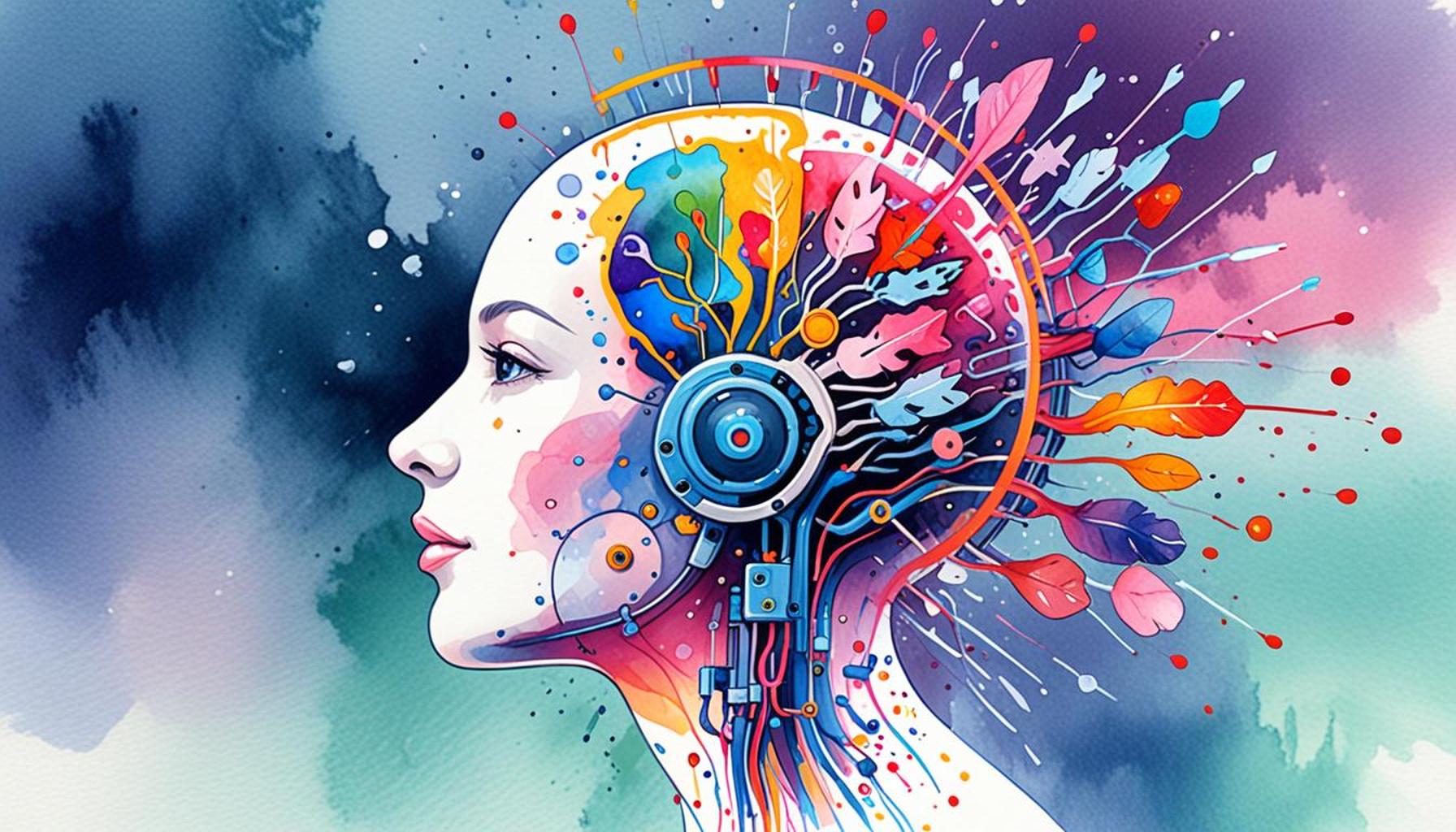
The Transformative Impact of Artificial Intelligence in Business
Artificial Intelligence (AI) has transcended mere technological innovation, evolving into a cornerstone of modern business strategy. As companies increasingly integrate AI technologies into their operations, they are discovering profound enhancements in efficiency, decision-making, and customer satisfaction. This shift is not just a trend but a fundamental change in how businesses operate.
One of the most significant advantages of AI in the corporate landscape is its capacity for increased efficiency. Tasks that once consumed valuable hours, such as data entry, scheduling, and inventory management, can now be automated. For instance, fans of the popular collaboration tool Asana may find its new AI features streamline project management, allowing teams to focus on strategic planning rather than mundane administrative duties. This shift enables employees to devote their energies to innovation and creativity, ultimately driving more meaningful business outcomes.
Moreover, AI excels at providing data-driven insights. Businesses generate enormous amounts of data daily, but harnessing this data effectively can be a daunting task. AI algorithms can analyze these vast datasets at lightning speed, uncovering trends and correlations that might go unnoticed by human analysts. For example, retail giants like Walmart employ AI to manage supply chain logistics and customer preferences, ensuring they can respond swiftly to market demands and improving overall inventory turnover.
The result of these efficiencies and insights is often cost reduction. Automation minimizes the risk of human error while optimizing resource allocation. Companies can significantly reduce operational costs by implementing AI-driven solutions, such as chatbots for customer service, which can handle numerous inquiries simultaneously without added labor costs. A case in point is American Express, which has successfully deployed AI in its customer support systems, leading to faster resolution times and lower operating expenses.
The impact of AI extends to enhancing customer experiences, where personalized services have become the new standard. With sophisticated algorithms, businesses can analyze customer behavior and preferences, leading to tailored recommendations that resonate with individual needs. Streaming services like Netflix use AI to analyze viewing habits, curating content suggestions that keep users engaged, ultimately fostering higher customer loyalty and satisfaction.
As we explore the multifaceted benefits of AI in business, it becomes clear that this technology is not merely an advantage but rather a necessary tool for competitiveness. Companies that embrace AI are better positioned to navigate the complexities of today’s marketplace, capable of adapting swiftly to changing consumer demands and innovative trends.
In summary, the integration of AI in business strategy is no longer a futuristic concept; it is a present reality reshaping industries across the United States. Embracing AI is essential for organizations aiming to thrive in a fast-paced world. With the right approach, companies can unlock the full potential of AI, leading to sustained growth and success.
Streamlining Operations: The Power of Automation
In an era where time is money, the ability to automate routine tasks is one of the most transformative AI benefits in business processes that directly boosts corporate performance. Automation enables companies to streamline operations, freeing up employee time for more strategic endeavors. A report from McKinsey estimates that automation could raise productivity growth globally by 0.8 to 1.4 percent annually. This substantial uplift underlines the necessity for businesses to leverage AI technology.
Consider the impact of automated data entry. Companies traditionally faced challenges with human error, resulting in data discrepancies that could affect decision-making. By adopting AI-driven solutions, enterprises can ensure accurate data entry, reducing errors and enhancing the reliability of reports and analytics. This shift not only saves time but also fosters a culture of accountability and accuracy within organizations.
In addition to data management, AI-powered tools facilitate seamless communications within teams. Platforms like Slack are now integrating AI chatbots that help manage updates and reminders, driving engagement among team members. This refinement in communication processes leads to quicker decision-making and enhanced collaboration, which are vital in fast-paced business environments.
Moreover, through the implementation of AI, businesses experience significant improvements in resource management. For example, predictive analytics can forecast demand patterns, allowing companies to adjust inventory levels proactively. This strategy enables organizations to maintain optimal stock levels and minimizes the risks of overstock or stock shortage. Retail giants such as Amazon exemplify this approach, utilizing AI to refine their supply chains and ensure timely fulfillment of customer orders.
Predictive Insights: A Game Changer for Strategy
The ability to leverage data for predictive insights fundamentally alters corporate strategies. With AI, organizations can analyze vast amounts of data to anticipate market shifts, consumer behaviors, and even potential disruptions in supply chains. Businesses that adopt these predictive analytics tools can gain a competitive edge by making informed decisions before their rivals. Studies have shown that companies using predictive analytics report up to a 15% improvement in outcomes, leading to enhanced revenue growth.
- Improved Forecast Accuracy: Using AI tools allows businesses to achieve better accuracy in sales forecasts, which can significantly enhance inventory and financial planning.
- Enhanced Customer Insights: AI algorithms identify trends in purchasing patterns, enabling companies to tailor their marketing strategies and product offerings.
- Risk Mitigation: Predictive analytics can identify potential risks and threats, which allows for proactive measures to be put in place.
As we delve deeper into the myriad benefits of AI, it becomes increasingly clear that organizations willing to harness these tools will not just survive but thrive in the competitive landscape. The question remains: How quickly can businesses pivot to embrace these innovations to secure their growth and sustainability?
| Category | Description |
|---|---|
| Enhanced Decision-Making | AI algorithms analyze vast datasets to provide insights, enabling companies to make informed strategic decisions quickly. |
| Operational Efficiency | Automation of mundane tasks allows employees to focus on higher-value work, thus increasing productivity and lowering operational costs. |
| Customer Experience Improvement | AI tools help personalize customer interactions, resulting in heightened satisfaction and loyalty among clients. |
| Risk Management | AI can predict potential risks and mitigate them proactively, ensuring business continuity and stability. |
Embracing AI in business processes is not just a trend; it’s a powerful transformation that can significantly impact corporate performance. By integrating AI into daily operations, companies can uncover insights that were previously hidden within data, thus taking informed actions promptly. The advantages extend beyond just numbers; they foster a culture of innovation and adaptability, where employees can thrive in their roles, focusing on creative solutions rather than repetitive tasks.Imagine harnessing the power of predictive analytics to foresee market trends or tailoring your services to meet customer preferences in real time. The potential to enhance customer experience is enormous, ensuring businesses not only retain clients but also attract new ones. As organizations explore these avenues, they will find that AI is more than a technological advancement; it is a strategic ally in the quest for corporate excellence. Indeed, the journey into AI-driven performance enhancement is one worth taking for any forward-thinking enterprise.
Enhancing Customer Experience: Personalization at Scale
At the heart of many successful businesses lies their ability to understand and meet the needs of their customers. One of the standout AI benefits in business processes revolves around enhancing customer experience through advanced personalization. AI tools can analyze customer data from numerous touchpoints, allowing businesses to deliver tailored experiences that resonate with individual preferences.
For instance, AI-driven recommendation systems, similar to those used by Netflix and Spotify, analyze user behaviors to offer personalized content. By employing machine learning algorithms, these platforms can ensure that recommendations are not only relevant but also timely, keeping customers engaged and satisfied. When businesses adopt such personalized approaches, they often see significant upticks in customer loyalty and retention rates. Research indicates that businesses utilizing personalized marketing strategy witness an average increase of 20% in sales.
Furthermore, AI facilitates real-time customer service enhancements. Chatbots and virtual assistants, powered by AI, can handle inquiries 24/7, providing quick resolutions to customer issues. For companies, this means reduced operational costs as fewer human resources are needed for customer support functions, while also increasing customer satisfaction. A Gartner report noted that by 2022, chatbots would be managing up to 85% of customer interactions, showcasing the critical role AI plays in modern customer service.
Decision-Making Driven by Deep Learning
As businesses strive for innovation, AI’s influence extends into the realm of decision-making, driven by deep learning technologies. This emerging facet of AI allows companies to analyze historical and real-time data to extract insights that inform strategic decisions. With decision-making becoming increasingly data-driven, organizations can mitigate risks and capitalize on opportunities more effectively.
- Scenario Analysis: Companies can use AI to simulate various business scenarios, helping assess potential outcomes and navigate complex decision landscapes. This capability allows for informed strategies that consider multiple variables and their impacts.
- Resource Allocation: AI tools provide suggestions for optimal resource distribution, ensuring that organizations deploy their assets in ways that yield maximum returns, enhancing overall productivity.
- Agile Responses: In the fast-paced corporate world, the ability to pivot quickly based on AI-generated insights leads to more agile responses to market dynamics, enabling businesses to stay ahead of the curve.
The integration of AI in decision-making processes demonstrates a transformative potential that goes beyond mere operational efficiency. Organizations that harness this technology not only improve their corporate performance but also position themselves as leaders within their industries.
Across sectors, from finance to retail, the adoption of AI presents an opportunity to not only enhance existing processes but also reinvent them. As businesses continue to explore AI applications further, the adaptability and foresight gained from these tools will undoubtedly define future success in a competitive marketplace.
Conclusion: The Future of Business Powered by AI
The integration of AI benefits in business processes represents a cornerstone of modern corporate strategies aiming to boost performance across multiple dimensions. From enhanced customer engagement through personalized experiences to data-driven decision-making, AI technologies are facilitating a seismic shift in how businesses operate. The potential for AI to analyze vast amounts of data swiftly allows companies to tailor their offerings, streamline operations, and make informed strategic choices that promote growth.
As industries increasingly invest in AI solutions, they unlock profound efficiencies and innovative capabilities that set them apart from competitors. Notably, the capacity of AI to drive customer satisfaction through instant, personalized interactions fosters brand loyalty, leading to remarkable sales increases of up to 20%. Furthermore, AI empowers organizations to react swiftly to market changes, ensuring that they can navigate complexities with agility—a key attribute in today’s fast-paced business environment.
Looking ahead, it is imperative for businesses to embrace this technological revolution not just as a means of enhancing existing practices, but as an opportunity to revolutionize their operations entirely. With ongoing advancements in AI, the pathway to achieving competitive differentiation will be paved by those willing to experiment and adapt. As AI technology becomes more sophisticated, companies that harness its full potential stand to redefine their industries, shaping a future where performance meets unprecedented innovation. Ultimately, the journey towards AI adoption not only enhances corporate performance but also establishes the groundwork for sustained success and transformation in an ever-evolving marketplace.
Related posts:
How AI is Transforming the Consumer Experience at Shein
How Shein Uses AI for Mass Product Personalization
Role of AI in Shaping Future Digital Innovation Trends
How AI Integration is Transforming Companies for Future Growth
Digital Innovation in Online Education Learning Transformation
AI Integration with Cloud Solutions Revolutionizing Modern Tech